
Search for perfect health has made hormonal balance an even more important part of overall happiness. Importantly, testosterone — often called “the hormone that defines men”— is needed for many bodily processes, such as regulating mood, libido, muscle growth, and bone density. Hormone regulation can become off balance in men as they get older or in certain unhealthy situations. A condition known as hypogonadism is marked by androgen levels that are lower than ideal. Hormone Replacement Therapy (HRT) possesses an appealing set of tools for hormone optimization in males that might normalize this hormonal imbalance.
Recently conducted studies show that customized HRT treatments may greatly enhance quality of life and lower the risks connected to hormone changes. But the path to hormone optimization needs to be carefully treated because of how complicated the interactions between endocrine systems are.
This means that treatments need to be precise, tailored to each patient, and closely watched to avoid unwanted side effects and ensure personalized success.
Hence, it is very important for medical workers who provide HRT to have a deep knowledge of endocrinology and understand that each patient’s body works differently.
Understanding Hormones and Their Role in Men’s Health
Hormones are the body’s “chemical messengers” and they are needed to schedule the complicated chemical talks that keep metabolism, homeostasis, development, and reproduction going. Testosterone, which is mostly made by the testes, plays crucial role in men’s health.
Some of these factors are libido, bone density, and the distribution of muscle mass. The Journal of Clinical Endocrinology & Metabolism has drawn attention to how changes in hormone levels can lead to conditions like hypogonadism. This condition is marked by a lack or decrease in gonadal hormone secretion and can cause a wide range of symptoms, from inability to get an erection and tiredness to more serious – osteoporosis.
Understanding hormonal balance and how it affects the body as a whole is important for identifying and treating men’s health disorders early on. More study is being done to learn more about the complicated relationships between hormones. This supports personalized treatment plans that focus on the hormones that are necessary to men’s bodies.
Signs and Symptoms of Hormonal Imbalance in Men
Multiple symptoms that are bad for a man’s physical and mental health can be caused by hormonal imbalances. A research paper in the Journal of Clinical Endocrinology & Metabolism says that troubles with hormonal homeostasis may show up as mood swings, decreased libido, tiredness, and changes in body composition – storing more fat and muscle. Hormone changes linked to cortisol, thyroid hormones, and testosterone may also cause hair loss and gynecomastia – excess breast tissue.
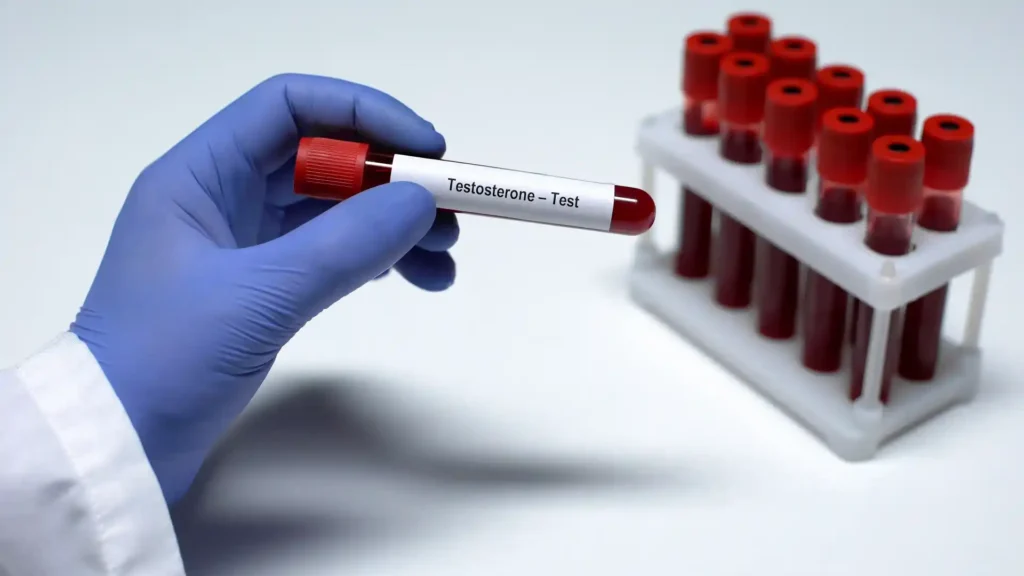
To avoid future significant issues that need medical intervention, it’s important to move right away if you notice these symptoms to be checked out and handled by a medical provider. Lack of erections, poor sperm quality, trouble sleeping, and memory loss or cognitive function disarray are some other signs of a chemical imbalance.
Because men have less bone strength and different blood lipid levels, they may also be more likely to fracture bones and go through heart disorders. In a men’s health, an unbalance in hormones can have many effects, as shown by these signs. To put hormones back in balance, it is mandatory to have a full physical checkup and a treatment plan.
Key Signs and Symptoms
Male hormone imbalance can show up in a number of ways, but these signs are often ignored. If you notice them right away, you can take steps to restore balance and health. Low sex drive is one of the main signs of changes in hormones, especially when it comes to testosterone levels. This could have a big effect on everyone’s quality of life and relationships. Another common sign is feeling tired, reduced ability to deal with everyday stress. On the other hand, urogenital disorders like erectile failure could be signs of a hormonal imbalance that could cause a lot of mental pain and needs to be checked out by a doctor.
Notably, sudden weight gain, may be a sign of an imbalance in hormones, which can make people more likely to get a number of metabolic illnesses. Lastly, cognitive deficits, also called “memory fog,” can range from simple forgetfulness to serious attention issues. This shows the broad range of effects that an imbalance in hormones can have on mental and physical abilities.
Contributing Factors
Issues with male hormones, specifically changes in testosterone levels, can happen because of many factors interacting with each other, including environmental factors, living choices, and natural aging. Men naturally produce less testosterone as they age, which can lead to andropause, which is similar to menopause in women and has a wide range of symptoms, such as mood swings and a lower libido.
Concurrently, a number of lifestyle factors, such as bad eating habits, lack of exercise, and constant anxiety, have been shown to speed up this decline. Multiple factors acting together throw off the delicate balance of the endocrine system. The production and release of testosterone, a hormone necessary for maintaining male homeostasis, are also badly affected.
The Benefits of Men Hormone Optimization
Male hormone optimization, especially testosterone and other androgens, is getting more attention from doctors. It may have many health benefits for men. Additionally, it’s significant to note that optimal levels of these hormones are closely connected to higher bone density, lean body mass, and overall body composition. All of these criteria are good for your health and may lower your risk of getting chronic diseases.
Male hormone optimization can also provide better mental clarity, mood stability, and cognitive function, all of which are very helpful for men as they get older. Numerous individuals say they feel more energized and vigorous, which can improve their quality of life and make it easier for them to live a busy lifestyle.
Despite the ongoing research supporting these benefits, people should only try hormone optimization while closely being supervised by a physician. This way, the risks are kept to a minimum and the treatment is tailored to each patient’s specific needs and clinical situation.
Enhanced Libido and Sexual Function
Urology and sexual medicine both pay a lot of attention to the link between how men handle their hormones and how well they can sex. New study shows that hormones, especially testosterone, are mandatory for keeping erections healthy and controlling libido. Individuals, who have sexual dysfunction, which usually shows up as low sexual drive, may benefit from male hormone optimization as a way to treat their condition.
Multiple studies in this area have shown that not having enough androgen can cause low libido and troubles with getting and keeping an erection. This can have a major effect on mental health and quality of life.
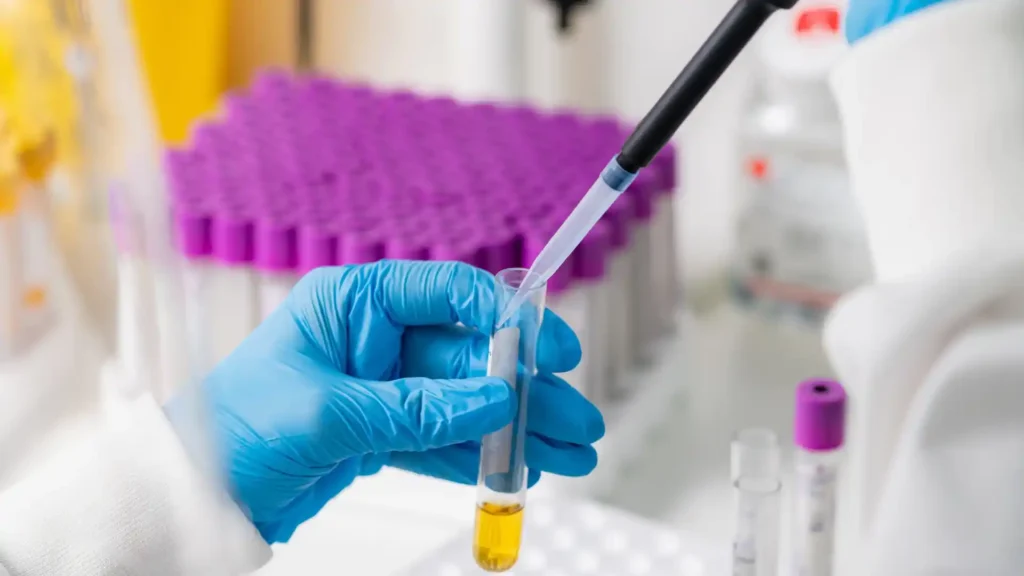
Scientists have found that boosting testosterone levels in the body through different methods, like transdermal patches, intramuscular injections, or topical gels, can improve sexual drive. It is important to note that these treatments need to be properly adjusted based on the patient’s age, hormone profile, and overall health in order to avoid side effects. When medical and lifestyle problems happen at the same time, a holistic approach can help men to obtain better sexual health.
Improved Mental Health and Reduce Risk of Depression
Researchers are now looking into how male hormone optimization might help improve mental health and lower the risk of depression. Changes in hormones, like testosterone, have been linked to signs of mood disorders and sadness. Bringing hormone levels to their perfect state, which is what male hormone optimization means, may help prevent mental health disorders by lowering these oscillations.
For example, research has shown that men with hypogonadism who receive testosterone replacement therapy have noticeable improvements in their mood and overall health, which makes them less likely to become depressed and anxious.
Also, there is data that connects levels of thyroid hormones, cortisol, and vitamin D to mental health outcomes. This suggests that a complete plan for optimizing hormones may have benefits beyond well-being. But because of not proper regulation hormones could have tremendous side effects, it’s important to be careful and have a medical provider watch over these treatments.
Increased Muscle Mass and Strength
A lot of studies have looked at how adjusting hormones can change physical traits, focusing on testosterone levels and how they relate to muscle growth and strength training results. Hormone therapy at normal doses has been shown to improve muscle protein synthesis and promote muscle fiber hypertrophy, which can help build bigger and stronger muscles.
In the Journal of Applied Physiology, this study was written up. Strength training has also been shown to greatly raise testosterone levels in the blood.

This may help create a general anabolic hormonal environment that helps muscles grow. The findings show that hormonal balance and exercise programs are linked. This demonstrates how important it is to keep hormone levels in check so that men can get the most out of strength training.
It’s mandatory to think about these things when making training plans that aim to build muscle, and it’s especially important for older people who have problems with hormone loss.
Better Weight Management
Male hormone optimization, especially when it comes to testosterone levels, and weight loss are both shown to be helpful. A lot of studies, like the ones that looked at testosterone therapy in obese people, show how important the hormone is for controlling body shape. For example, testosterone replacement therapy has been looked into as a possible way to help men whose hormone levels aren’t right lose fat and gain lean muscle.
The complicated ways that testosterone affects metabolic processes show how energy is used and stored. Because of this, balancing hormones, especially testosterone, can be seen as a smart move that will help lower the risk of metabolic diseases and make weight loss more effective. Because of how complicated hormone levels vary, it is important to fully understand how targeted treatment could manipulate the way men are treated for obesity.
Another benefits
Hormone balance has well-known benefits for physical energy and sexual performance. However, men’s hormone adjustment can also provide other major health benefits.
More and more study shows that having healthy levels of testosterone can help your brain stay sharp by improving your memory and focus on stopping the mental decline that comes with getting older. Hormone optimization is also good for musculoskeletal health because healthy testosterone levels keep bone density and muscle mass up. This may lower the risk of osteoporosis and weakness in older men.

Optimizing hormones may also help avoid chronic diseases because it has a positive effect on both metabolic and cardiovascular health. To properly include hormone optimization therapies for men in overall health maintenance plans, it is important that more study to be done to fully understand all the benefits of this type of treatment.
Methods of Achieving Hormone Optimization for Men
It is a complex and diverse field that studies how to balance hormones in men so that they are healthier and happier in general. This is still the most common way to treat people with hypogonadism, or low testosterone levels. Testosterone replacement therapy (TRT) generally involves injecting, applying patches, gels, or pellets to refill hormone levels to normal levels for the body.
Since testosterone is a key part of maintaining bone density, muscle strength, mental health, and sexual function, this medicine is highly effective. Doctors say that regular measurements of testosterone levels and clinical assessments of symptom relief are important for making sure that the right dose and release method is used for each patient.
Changing your food and way of life can help your hormones work better, and they can be used in addition to prescribed drugs. Simply following dietary rules, like getting enough healthy fats, cutting back on sugar, and staying away from processed foods, can naturally boost testosterone production.
Regular exercise, especially resistance training, has been shown to help keep body composition balanced. This, along with following food guidelines, can raise testosterone levels and improve metabolic health. Stress and not getting enough sleep have both been linked to low testosterone production. This is because stress and high cortisol levels can both cause low testosterone production.
With more people interested in integrative techniques, taking extra vitamins, minerals, and natural chemicals has become more common. The efficiency and safety of supplements should be carefully examined, though, and clinical decisions should be based on research that is backed up by data.
As a way to fully understand all of their treatment options and the pros and cons of each, men who want to improve their hormone levels should talk to doctors who specialize in this field.
Navigating the Path to Hormone Optimization
By carefully changing the body’s endocrine balance, male hormone optimization is at the cutting edge of specialized medicine and has the potential to make people healthier. This delicate and nuanced topic looks at how hormones interact with each other.
To find the best hormones for your body, you need to be up to date on the latest scientific research. This goes for both health fans and endocrinologists. The goal is to provide personalized treatment that enhances health, stops chronic diseases, and eases symptoms.
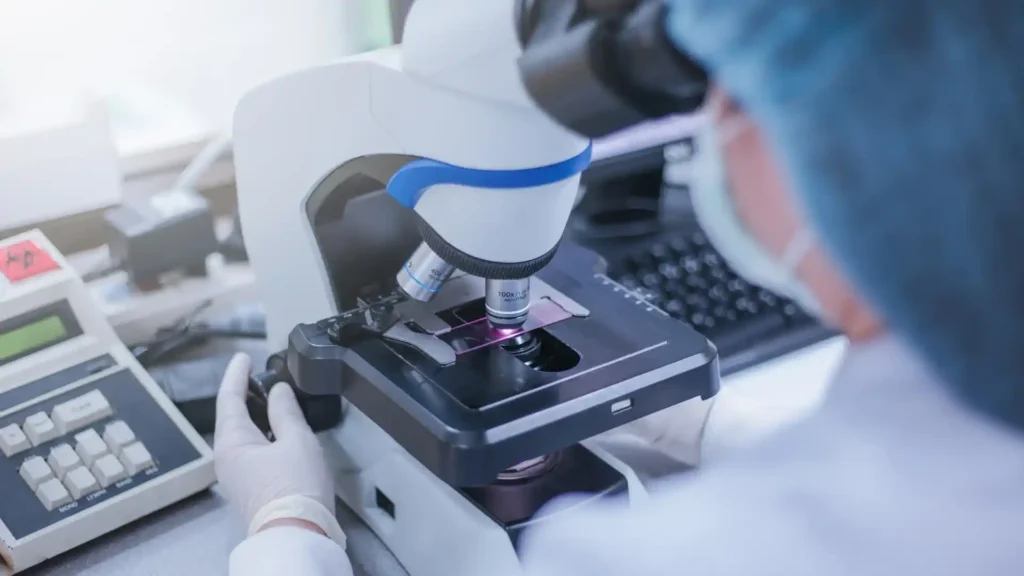
The process starts with a full check of the hormone levels, which usually includes a number of diagnostic tests. In contrast to static tests, dynamic tests involve either increasing or decreasing hormone production. These tests can give a more complete picture of hormonal health by showing how well the endocrine system handles stress. By making a full hormonal profile for each patient, clinicians can come up with a targeted plan that greatly improves the body’s performance and overall well-being.
If the hormonal environment is known, personalized treatment plans can be made. Some of these are lifestyle changes, like dieting and exercising, and drug treatments like bioidentical hormone replacement therapy (BHRT), which tries to bring a person’s hormone levels closer to the ideal balance. Treatment needs to be carefully looked at and changed so that it works better. The best way to give the medicine to a patient will depend on how they react to it.
Male hormone optimization is a long and difficult process that, when done right, can lead to big improvements in mental health, energy, and lifespan, bringing about a new era of personalized wellness methods.
Future Directions in Hormone Optimization for Men
Male hormone optimization study needs to include personalized medicine in the future. New discoveries in Testosterone Replacement Therapy (TRT) have helped us understand the complicated balance needed to keep hormones in check and the wide range of responses patients have. According to new study, improving therapy plans through genotypic and phenotypic profiling may lead to more personalized and effective treatment outcomes. This customized method could completely change the way treatments are done in order to lower side effects and raise quality of life.

New delivery methods and bio-identical hormone preparations are also getting a lot of attention because they promise to improve the body’s ability to absorb and use testosterone. Collaboration between scientists from different areas is likely to lead to more new ideas in endocrinology, genetics, pharmacology, and nutrition. This makes it clear how important it is to do large-scale longitudinal studies to prove the therapeutic benefits of these new ways of optimizing hormones.
Conclusion
Male hormone optimization is a field that is always adapting. It has a lot of promise to make people’s lives better through personalized treatment plans. We are learning more about how each person’s hormones work and what they need as personalized medicine develops. This is helping the area of hormone therapy, especially testosterone optimization. For better health and better treatment of issues connected with hormone disregulation, we can now move toward personalized medicines that are based on a complete understanding of each patient’s unique hormonal profile, genetic markers, and lifestyle factors.
Still, we need to stay committed to providing great medical care and conducting thorough scientific research in order to move forward. The full benefits of hormone optimization can only be reached through care that is focused on the patient, teamwork between different fields, and use of evidence-based methodologies. Not only should we remember that the end goal of hormone optimization is to improve men’s overall health, vitality, and quality of life, but it’s also important to make sure that therapeutic approaches are safe and effective as we move forward into this bright future. Optimization of hormones has a lot of promise for personalized medicine, both in terms of making scientific and clinical progress and giving people a way to get to their best health and well-being.