
Regenerative medicine
Dezawa MuseCell Therapy
The next evolution in regenerative therapy: intelligent cells that seek out damage and support repair from within.
Targeted regeneration
Meet the cells that know where to go
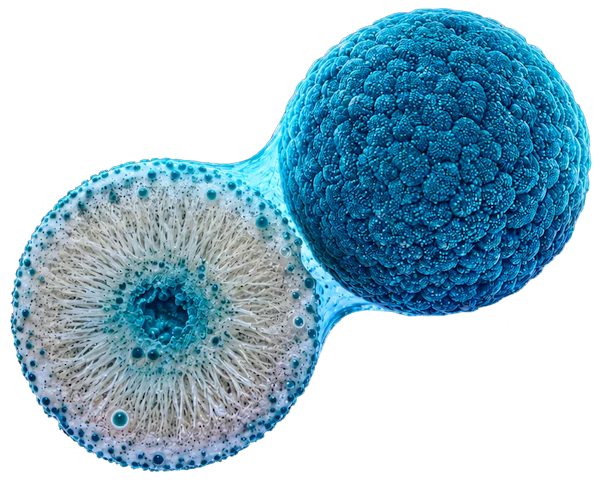
Traditional stem cell therapy is designed to support the body through regenerative signaling, immune modulation, and growth factors. Dezawa MuseCells® build on that foundation with a more specialized approach.
Research suggests that Dezawa MuseCells® can detect signals released by injured tissue, travel toward those areas after intravenous administration, and respond to the local environment once they arrive.1 2 Unlike many conventional mesenchymal stem cells, which may remain concentrated in the lungs after IV delivery, Dezawa MuseCells® have demonstrated a greater ability to migrate beyond the pulmonary system toward areas of damage.1 3
The MuseCell advantage
What makes Dezawa MuseCells different?
-
Precision homing
Injury-directed homing
Dezawa MuseCells® are being studied for their ability to detect signals released by damaged tissue and migrate toward those areas after IV administration.1 2
-
Tissue adaptation
Tissue-responsive differentiation
Stimulate mitochondrial repair, reduce oxidative stress, and enhance circulation to support tissue detox.
-
Immune response
Immune tolerance
Dezawa MuseCells® have demonstrated low immunogenicity in clinical research, including allogeneic use without HLA matching or routine immunosuppression.2
-
Native biology
Naturally occurring biology
Dezawa MuseCells® are not genetically engineered. They are a naturally occurring cell population identified and selected for specific regenerative characteristics.1
From signal to response
Why Targeting Matters
-
01 The body sends a distress signal
When tissue is injured or under stress, it releases chemical signals into the surrounding environment.
-
02 MUSE cells detect the signal
Dezawa MuseCells® express receptors that allow them to sense those signals and migrate toward the affected area.
-
03 They respond to the local tissue
Once there, research suggests Dezawa MuseCells® may support repair through regenerative signaling and tissue-responsive differentiation.
This injury-directed behavior is one of the clearest reasons MUSE cells represent a more specialized form of cell therapy.
Who it’s for
You may be a fit if you’re:
-
Looking for more than localized support
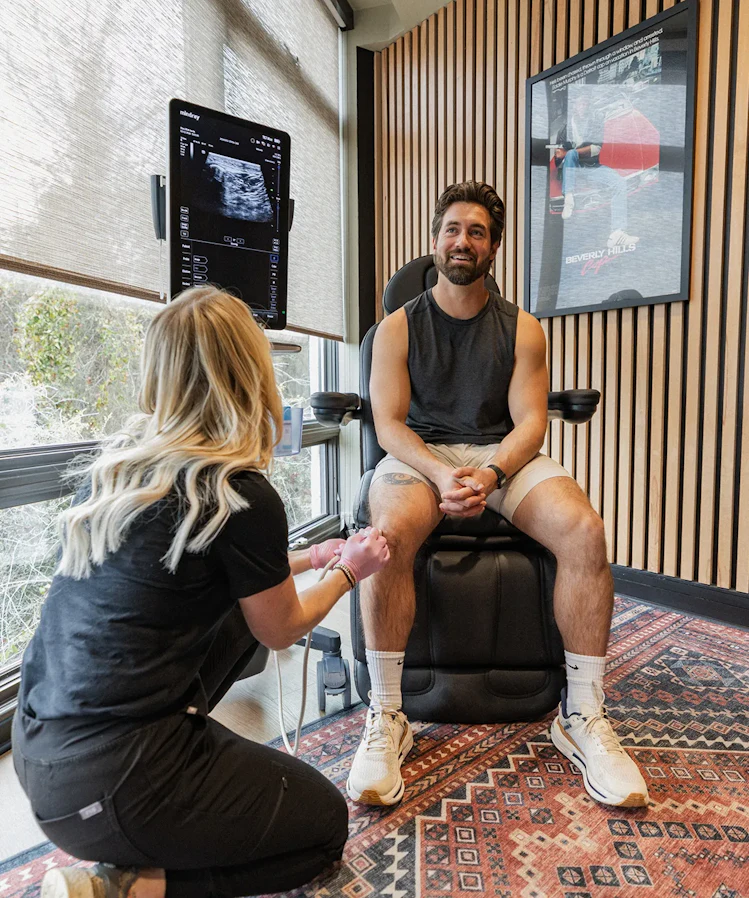
Dezawa MuseCells® are administered intravenously and are being studied for their ability to respond to signals from areas of tissue stress or injury.
-
Interested in the most advanced cell therapy available at Ways2Well
Dezawa MuseCell® therapy offers a more specialized approach built around injury-directed homing and tissue response.
-
Comfortable with an emerging area of medicine
The science is promising, but research is still developing and individual outcomes cannot be predicted.
Cell quality
The right cells. The right process.
Not every product described as “Dezawa MuseCells®” is necessarily the same. Ways2Well provides genuine Dezawa MuseCells® produced through the licensed isolation methods associated with the original research pioneered by Dr. Mari Dezawa.
-
Rooted in the original science
MUSE cells were identified through the research of Dr. Mari Dezawa and her team at Tohoku University. The foundational MUSE cell patents and licensed isolation methods are held by MuseCell Innovations.1
-
Identified, not engineered
MUSE cells are naturally present within mesenchymal tissues and are isolated as a distinct cell population. No genetic modification is used to create their regenerative characteristics.2
-
A defined cell population
Dezawa MuseCells® are a defined, naturally occurring cell population. They are selected for specific biological characteristics rather than genetically engineered.
-
Studied in human research
Dezawa MuseCell®-based products have been evaluated in human studies involving ischemic stroke and acute myocardial infarction, with research focused on safety, feasibility, and early clinical outcomes.3 4
Cell therapy is not appropriate for every patient. Eligibility is determined through clinical evaluation. Research into Dezawa MuseCell® therapy remains ongoing.
Scientific basis
Cited sources
- Dezawa M. Comparison of MSCs and Muse cells: the possible use for healthspan optimization. Biogerontology. 2025;26:139 This review describes MUSE cells' response to sphingosine-1-phosphate (S1P) injury signals, their migration toward damaged tissue, and reduced pulmonary entrapment compared with conventional mesenchymal stem cells (MSCs).
- Niizuma K, et al. Randomized placebo-controlled trial of CL2020, an allogenic Muse cell-based product, in subacute ischemic stroke. Journal of Cerebral Blood Flow & Metabolism. 2023;43(12):2029–2039. This small Phase II clinical trial evaluated intravenously administered MUSE cells in patients following ischemic stroke and reported safety findings along with preliminary efficacy signals.
- Purita J. Escaping the Lung: How MUSE Cells Use S1P–S1PR2 to Reach Injured Tissues. This overview explains pulmonary first-pass entrapment associated with conventional MSCs and the proposed S1P–S1PR2 homing mechanism that may enable MUSE cells to migrate toward sites of tissue injury.
- Dezawa M. Comparison of MSCs and Muse cells: the possible use for healthspan optimization. Biogerontology. 2025.
- Niizuma K, et al. Randomized placebo-controlled trial of CL2020, an allogenic Muse cell-based product, in subacute ischemic stroke. Journal of Cerebral Blood Flow & Metabolism. 2023.
- Purita J. Phagocytosis-Driven Regeneration: The Hidden Power of MUSE Cells.
- Dezawa M. Comparison of MSCs and Muse cells: the possible use for healthspan optimization. Biogerontology. 2025. The review describes MUSE cells' response to sphingosine-1-phosphate signals released by damaged tissue and their migration toward affected areas.
- Niizuma K, et al. Randomized placebo-controlled trial of CL2020, an allogenic Muse cell-based product, in subacute ischemic stroke. Journal of Cerebral Blood Flow & Metabolism. 2023. The study discusses intravenous administration, selective migration toward damaged tissue, and tissue-responsive differentiation observed in early clinical research.
- From Niche to Injury Site: How S1P Steers Stem Cell Trafficking. This overview explains the S1P–S1PR2 signaling pathway proposed to play a role in MUSE cell homing.
- Dezawa M. Comparison of MSCs and Muse cells: the possible use for healthspan optimization. Biogerontology. 2025. The paper identifies Dr. Mari Dezawa as the author and states that MuseCell Innovations holds the basic MUSE cell patent rights and licenses the isolation methods.
- MUSE Cells — Podcast Cheat Sheet. MUSE cells are described as a naturally occurring subpopulation identified by the SSEA-3 marker and isolated without genetic manipulation.
- Niizuma K, et al. Randomized placebo-controlled trial of CL2020, an allogenic Muse cell-based product, in subacute ischemic stroke. Journal of Cerebral Blood Flow & Metabolism. 2023.
- Noda T, et al. Safety and Efficacy of Human Muse Cell-Based Product for Acute Myocardial Infarction in a First-in-Human Trial. Circulation Journal. 2020.
Disclaimer: The information presented on this page is based on published scientific literature and early-stage clinical research. MUSE cells are currently being studied for their biological properties and potential therapeutic applications. Findings from preclinical and early clinical studies should not be interpreted as guaranteed outcomes for individual patients.