
For proactive men’s health management, male hormone blood test must be done regularly. These male hormone panel blood test provide vital information about several normal and abnormal diseases. Male hormone panel blood tests evaluate testosterone, FSH, LH, and estrogen — the most significant hormones. People with abnormal hormone levels may have metabolic disorders, pituitary issues, or hypogonadism. Failure to diagnose these disorders might cause serious health issues. Low testosterone can cause depression, osteoporosis, and heart disease.
Doctors should evaluate male hormone blood panel test results routinely to detect changes early, customize medication, and act fast. This technique improves patient outcomes and reduces male hormone imbalance-related long-term health issues. Male hormone panel blood testing should be part of men’s health care.
Key Hormones in Men’s Health and Functions of These Hormones
Clinicians and health enthusiasts must comprehend hormones importance for men’s health. Healthy living requires hormones including insulin, cortisol, and testosterone. Secondary sexual traits develop, bone density and muscular mass remain the same, and male reproductive tissues expand.
Testes produce testosterone. Adrenal glands produce “stress hormone,” cortisol. Anxiety, metabolism, and inflammation are reduced by it. Pancreatic insulin regulates blood glucose and cell glucose uptake. Essential for energy homeostasis. This emphasizes men’s hormone regulation. Doctors can provide men with the finest care by understanding these substances.
Male Comprehensive Hormone Panel Blood Test
While the Male Comprehensive Hormone Panel Blood Test is an important medical tool for checking men’s hormonal health, it also gives you useful information about how endocrine function is balanced. For finding and treating endocrine diseases, hypogonadism, and adrenal insufficiency, tests are done on testosterone, estradiol, DHEA-S, cortisol, and other mandatory hormones.
If doctors keep an eye on these hormone levels, they can find problems that might be causing signs like tiredness, low libido, muscle weakness, and mood swings. It is important for preventive care and men’s health management programs to use this full panel because it can greatly improve patient outcomes through early detection and focused intervention.
What is a Male Hormone Panel?
There is a complete set of blood tests called a male hormone panel that check the amounts of several hormones that are important for men’s bodies. This screen usually has measurements of HGH, FSH, SHBG, LH and both total and free testosterone. What about adding other markers like cortisol, prolactin, and estradiol? It will depend on the clinical situation.
The main uses of a Male Hormone Panel are to check the health of reproduction, identify possible hormonal issues, and locate imbalances that could be causing issues like infertility, tiredness, low libido, and mood swings. Giving doctors a full picture of a man’s hormones helps them make treatment plans that are tailored to his unique needs.
Components of the Panel
Endocrinology’s male hormone test is a useful tool for diagnosis. Each part is important on its own, but when put together, they show the whole picture of a man’s reproductive health. Complete and unattached testosterone is a key hormone that is looked at a lot. Understanding androgenic activity and how well hormonal systems work in general depends on this.
The screen usually measures sex hormone-binding globulin (SHBG), which changes how accessible testosterone is. Furthermore, luteinizing hormone (LH) and follicle-stimulating hormone (FSH) are very important because they show us how the hypothalamus-pituitary-gonadal system works.
A male hormone test checks estrogen levels, which can affect a number of male body functions even though estradiol is mostly linked to women. Additionally, prolactin levels are checked to make sure that hyperprolactinemia is not the case. This sickness can make hormone problems like hypogonadism happen. By looking at these parts together, endocrinologists, general practitioners, and medical students can find, track, and treat hormonal problems in men.
Benefits of Regular Male Hormone Testing
Regularly checking for male hormones has many perks that are important for keeping your health and well-being in general. Men with hormones that are out of balance, especially testosterone and other androgens, may have health problems like mood swings, sex problems, and bones and muscles that aren’t as strong. Hormone checks done on a regular basis can help find problems early and fix them quickly, which can lessen these bad effects.
Keeping an eye on hormone levels can also help people make changes to their diet and way of life that give them more energy, focus, and physical performance. Hormone tests should be a normal part of men’s health care plans because they improve their health and quality of life.
Detection of Hormonal Imbalances
Identifying hormonal changes is a key part of finding endocrine diseases, which can have a big impact on a person’s health and quality of life. Modern methods like mass spectrometry, radioimmunoassay, and male comprehensive hormone panel blood test have made finding hormone level differences much more accurate and reliable. These methods can exactly measure important hormones such as cortisol, insulin, thyroid hormones, and reproductive hormones.
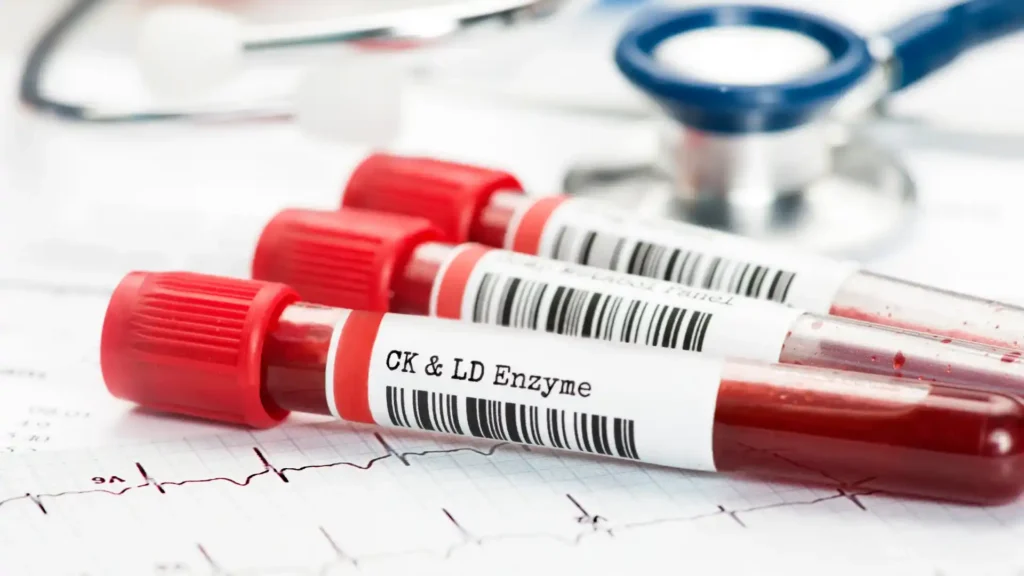
Besides that, a full diagnostic profile needs to include clinical symptoms, biochemical data, and the patient’s medical background. Hormonal problems that are found early and correctly allow for quick treatment and a lower chance of long-term issues in the field of endocrinology. This makes it clear that male hormone levels blood test tools need to keep getting better.
Preventive Health
By taking preventative health steps, you can greatly lower your risk of hormone changes, a condition that is becoming more and more recognized for having very negative effects on your overall health. Multiple methods are needed to effectively avoid hormonal imbalances because they can be caused by many aspects, including genetics, environmental exposures, and lifestyle choices.
A healthy endocrine system includes eating a balanced diet full of important nutrients, working out regularly, and lowering stress through mindfulness and relaxation methods. Avoiding endocrine-disrupting chemicals, which are found in some plastics, personal care products, and pesticides, is also very important.
For finding and treating hormonal issues early on, before they get worse, it is also important to have regular medical tests and early treatments that are tailored to each patient’s risk profile. Implementing these thorough preventative steps can help both health fans and medical professionals keep hormonal balance and overall health.
Who Needs Hormone Panel Tests?
Endocrinologists and normal people can both benefit from hormone panel tests, which are an important way to check the balance and activity of many hormones in the body. If someone is having issues like not being able to have children, having periods that don’t come on time, being tired, gaining or losing weight for no reason, or mood swings, these tests become mandatory. It is also suggested that people with diabetes, adrenal failure, thyroid problems, and other diseases use them.

To make sure they are getting the right amount and to see how well the treatment is working, people who are on human hormone replacement therapy (HRT) need hormone panel tests. These tests help patients get better results and live better lives because they find hormone changes quickly and correctly.
At-Risk Populations
Adverse hormonal reactions in men are a significant but often ignored public health problem, especially in high-risk groups such as older men, people with metabolic syndrome, and people who are exposed to substances that mess with hormones. Later-onset hypogonadism, or lower testosterone levels in older men, has been linked to a number of bad health outcomes, such as less bone density, less muscle mass, and a higher chance of heart disease. More often in men with metabolic syndrome (obesity, high blood pressure, and insulin resistance), changes in hormone output and control can happen.
Often found in plastics and pesticides, endocrine disruptors can cause hormonal imbalances that show up as conditions like lower sperm quality and changes in secondary sexual traits. To solve these issues, we need a complete plan that includes ongoing clinical interventions by endocrinologists, public health efforts to limit chemical exposure, and support for men’s health to encourage early detection and treatment of hormone imbalances.
Symptoms Indicating Need for Testing
Multiple complaints can be caused by an imbalance in a man’s hormones, so a lot of tests are needed to make sure the diagnosis is correct and the right treatment is chosen. For men, an excess of hormones can cause problems with erections, low libido, and constant tiredness. On top of that, mood illnesses like depression, anxiety, and irritability are often linked to hormonal imbalances.
Body changes like losing bone structure, getting weak muscles, and gaining weight without warning are also important signs. Focusing and remembering things is an example of a cognitive weakness that makes it even more important to see a doctor.
Doctors have to do a lot of tests, like hormonal tests and blood panels, to find out what’s wrong and then focus on treatments because hormone imbalance can cause a lot of different symptoms. Watching for these signs often and teaching patients about them can help find them early and improve their overall health.
Treatment Options for Hormonal Imbalances
Male hormone imbalances, which are marked by changes in the amounts of testosterone, estrogen, and other androgens, are tough medical issues that need a variety of treatment methods. The current treatment methods include medications, changes in living, and sometimes surgery. If you want to restore hormonal balance, making changes to your food, exercise routine, and weight can be very helpful. This is because losing fat can turn androgens into estrogen.
Some drugs used in medical treatments are aromatase inhibitors and selective estrogen receptor modulators (SERMs) to lower too much estrogen or testosterone replacement therapy (TRT) to treat signs of hypogonadism. For people who have endocrine diseases like pituitary adenomas or adrenal tumors, surgery may be needed to get rid of the direct cause of the chemical problem.
For best results in treating male hormone issues, treatment plans need to be tailored to each patient’s specific needs, while also taking into account possible side effects and situations where the treatment shouldn’t be used.
Trends in Men’s Health
In the past few years, men’s health has changed a lot because of changes in access to healthcare, living choices, and societal views on health and wellness. Men are paying more attention to their mental health, and there is a clear trend toward more knowledge about mental health problems like sadness and anxiety and less shame surrounding them. Also, improvements in telemedicine have made health care services easier for more people to access, making it easier and faster for men to get medical help and treatment.
Preventative health steps are becoming more and more common, which shows how important it is to find and deal with health risks early on. Some of these ways are regular checks for heart disease and prostate cancer. These changes show that we need to take a broader look at men’s health, focusing on how important it is to have unified care and ongoing education to get better results and enhance quality of life.