
Key Blood Tests for Nutritional Monitoring
As one of the most important blood tests, the complete blood count (CBC) screens for various disorders, including infections and anemia, while also examining the patient’s overall health.
In order to assess iron storage, transferrin saturation, and ferritin levels must be measured. An evaluation of heart health also requires lipid screens, which measure triglycerides and cholesterol. The health of strong bones and cognitive function depends on the consumption of sufficient levels of vitamin B12 and D.
Healthcare providers who treat diabetes patients should closely monitor their patients’ HbA1c and glucose levels because they offer vital information on how to control blood sugar levels and metabolism throughout time. Thanks to these tests, doctors may choose the best nutritional therapy and diet plans for their patients, with the best possible results.
Complete Blood Count (CBC)
Hemoglobin, hematocrit, platelets, red and white blood cells, and other components of blood are all covered in detail by the CBC. This blood work for nutrition is crucial for diagnosing blood-related illnesses such as anemia, infections, and numerous others.
Vitamin Levels (Vitamin D, B12, Folate)
Verifying vitamin levels is mandatory blood work for nutrition. Immune system health and strong bones depend on vitamin D. However, deficiencies in folate and vitamin B12 can cause issues with the brain system and blood cells. In order to ensure that everyone is as healthy and happy as possible, doctors and health-conscious individuals can uncover and address any blood work for nutrition difficulties or issues that may be occurring by routinely reviewing these measures.
Mineral Levels (Iron, Calcium, Magnesium, Zinc)
Checking mineral amounts in the blood work for nutrition are necessary to keep your health and nutritional balance at its best. Vital signs tests for important minerals as iron, calcium, magnesium, and zinc offer information on their roles in the physiological processes of the body. Anaemia and iron deficiency disorders, which can lead to weariness and cognitive problems, must be diagnosed with iron testing. Bone health depends on calcium levels, and variations may signal diseases like osteoporosis or hyperparathyroidism. Muscles and nerves need magnesium to work, and it is involved in more than 300 biological processes.

Muscle cramps and heart problems can both be caused by not getting enough magnesium. Zinc’s involvement in protein synthesis, wound healing, and immune function makes it essential to monitor deficiencies because they can impair immunity and impede healing. Frequent blood work for nutrition for these minerals helps nutritionists and medical professionals create individualized meal regimens that guarantee the best possible health results.
Lipid Profile
The lipid profile is a blood test for checking the health of your heart and your digestion. It is usually linked to better heart health and higher HDL cholesterol. Keeping an eye on your lipid profile on a daily basis can be crucial for keeping your health in general and avoiding severe illnesses.
Blood Glucose Levels
Blood glucose levels must be monitored for food evaluation, especially for people with diabetes and those who want to get healthier. Glycemic control and metabolic efficiency can be greatly improved by blood work for nutrition glucose tests like hemoglobin A1c (HbA1c) and fasting plasma glucose (FPG).

Having regularly high blood glucose levels may mean someone has diabetes or insulin resistance and needs to make changes to their diet and see a doctor. Dietitians swear by these tests because they help them make individualized nutrition plans that support overall metabolic health by keeping glucose levels at healthy levels. By keeping an eye out on a regular basis, you can find problems early on and use management methods that work well and without delay.
Protein Levels (Albumin, Total Protein)
Checking someone’s nutritional health means analyzing the protein amounts in their blood. Vitamin and mineral experts, dietitians, and regular doctors all use albumin and total protein studies a lot. The liver makes albumin, an important plasma protein that shows long-term protein condition and chronic malnutrition.
Poor protein intake from food or long-term health issues that affect protein metabolism may be signs of low albumin amounts. This test measures the total amount of protein in the blood, which includes albumin and globulins. Blood work for nutrition helps to find troubles with the kidneys, liver, or protein content. Physicians can find, track, and treat a variety of nutritional and health issues by checking these protein amounts, which in turn helps to guide successful dietary changes.
How Blood Work Detects Nutrient Deficiencies
A person’s nutritional status can be fully understood through blood work, which is an important medical tool. Using a variety of biomarkers, such as serum levels of vitamins, minerals, and other nutrients, doctors can exactly find deficiencies that may not be apparent from symptoms alone.
Not enough vitamin D, for example, might be indicated by low blood ferritin levels, but not enough iron might be indicated by low 25-hydroxyvitamin D amounts. This early discovery is mandatory as it lets people take quick action and get personalized dietary advice to fix the deficiencies and avoid developing long-term health problems. Beyond helping health fans reach their full potential, this method also gives doctors the data they need to tailor care to each patient’s specific needs.
Identifying vitamin deficiencies
Blood work for nutrition is necessary for nurses and doctors to identify vitamin deficiencies. One kind of blood test, serum vitamin tests, can find out how much of important vitamins like folate, D, and B12 are in the body. These vitamins keep many body functions going. For example, not getting enough vitamin B12 can lead to anemia and cognitive issues, and not getting enough vitamin D can cause problems with bones.
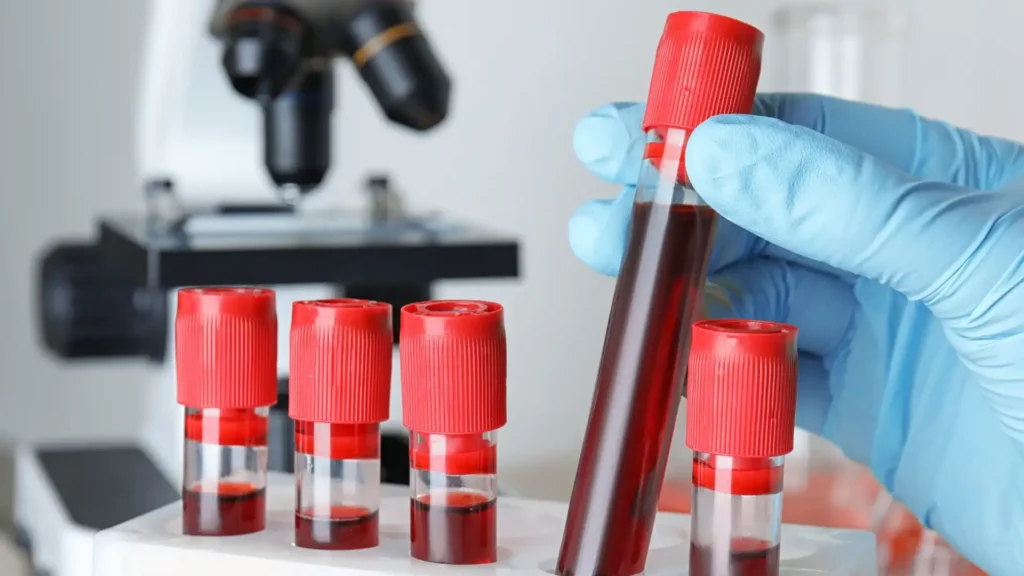
Careful examination of these tests can help patients make smart changes to their diets and supplement plans, ensuring the best results for their health in general. By knowing these signs, practitioners can fix any possible concerns before they get worse and cause more serious health problems.
Detecting mineral imbalances
Blood work that checks for mineral imbalances is a good diagnostic tool for clinicians. Mineral imbalances can mess up a lot of the body’s processes and lead to diseases like electrolyte abnormalities, low bone density, and heart issues. These imbalances can hurt a patient’s health in a big way.
By checking the levels of important minerals in the blood, such as calcium, magnesium, potassium, and salt, doctors can see if there are any deviations from the normal amounts and take specific steps to help. As a result of this procedure, underlying medical conditions can be found and dietary guidelines and supplement plans can be tailored to keep and improve the ideal mineral balance. These imbalances need to be correctly found and understood in order for patient care and illness control to work well.
Understanding lipid profile results
Lipid profiles, also known as lipid panels, are straightforward laboratory procedures that measure an individual’s blood levels of various lipids. Though elevated levels of triglycerides and low-density lipoproteins are frequently associated with a higher risk of heart disease, most people believe that having high HDL cholesterol is beneficial.
These data must be properly comprehended in order for consumers to know their cardiovascular risk threshold and for physicians to create personalized treatment programs. Maintaining a daily check on cholesterol is crucial for identifying and addressing health issues early on, which enhances general health and quality of life.
Monitoring blood sugar levels
Keeping an eye on blood sugar levels with tests is an important part of handling diabetes and staying healthy in general. Diabetes patients and medical workers can better keep track of blood sugar changes when they are checked often. This also makes sure that quick action is taken to avoid problems like hypoglycemia and hyperglycemia.
Individualized treatment plans and lifestyle changes are made possible by blood sugar testing, which gives important information about a person’s metabolic state and raises their quality of life. Knowing how important blood work for nutrition is, everyone need to check their blood sugar levels and obtain healthy habits, which help to avoid diabetes and find it early.
Benefits of Regular Blood Work for Nutrition
Personalized dietary recommendations
Personalized dietary suggestions are a cutting-edge way to help people eat well. They are based on each person’s unique genetic makeup, lifestyle, and metabolic profile. This method goes beyond the usual “one size fits all” advice by using new developments in genomes, microbiome research, and data analytics.
Health professionals and nutritionists can get better clinical results with customized nutrition because it can meet the specific dietary needs of each person and lower the chance of chronic diseases.
People can get better health more easily with personalized diet plans that give them specific, tailored advice on what foods to eat based on their bodies’ specific needs. This new way of thinking about eating shows how important personalized care is for staying healthy and fit over time.

Early detection of deficiencies and imbalances
Regular blood work for nutrition is important for both patients and doctors because it helps find nutritional deficits and metabolic problems early on. By checking blood tests on a regular basis, doctors can find problems with nutrient levels like iron, vitamin D, or B12 deficiencies that might not show any signs until they are very bad.
By finding health problems early, they can be treated quickly, which may stop them from getting worse. The results of this study help doctors and nutritionists make personalized treatment plans and dietary rules that help patients do better and feel better in general. Routine blood work basically keeps you healthy by finding imbalances and gaps before they get worse.
Enhanced absorption and utilization of nutrients
For better nutrition intake and use, blood work for nutrition must be done often. People who care about their health and doctors can get accurate information about a person’s biochemical and physiological state through blood tests. This lets them find nutritional deficiencies and keep track of their levels.
This personalized information lets people make their own eating plans that help them get the most nutrients and absorb them properly. It’s also easier to make changes to these plans when they need to be, which makes sure that the body uses the nutrients it takes in better and, in the long run, improves health and well-being in general.
Tailored supplementation plans
Personalized medicine has made it clear how important it is to have vitamin plans that are tailored to each person’s needs and are based on information gathered from regular blood tests. A full picture of a person’s nutritional state and biochemical markers can be gained from regular blood tests, which make it possible to accurately diagnose deficiencies and imbalances.
Medical experts, based on blood work for nutrition results, can make personalized supplementation plans that improve overall health, speed up bodily functions, and lower the risk of long-term illnesses. The evidence-based method makes sure that patients get enough nutrients and that those nutrients are balanced with their bodies’ needs. This leads to better clinical outcomes and better patient health.
Improved overall health and well-being
Because regular blood work can cause health problems early, it is very important to keep your health and well-being in good shape. Hemoglobin, blood glucose, and cholesterol counts are all examples of these biomarkers. Finding problems or flaws early on lets people get medical help or make changes to their lifestyles in a timely way, which stops the development of their diseases.
Regular blood work for nutrition also help doctors figure out how well ongoing medical treatments are working, which makes sure that people with long-term illnesses get the best care possible. Adults and seniors in particular need to get their blood checked regularly to prevent and treat health problems that come with getting older. This makes people live longer and better.

Conclusion
Recap the importance of regular blood work for nutritional health
To keep your nutritional health in the best shape possible, you need to get your blood checked regularly. Nutritionists and health-conscious people can learn a lot about a person’s physiological and biological state from these tests. They can find vitamin deficiencies and metabolic problems early on.
By keeping an eye on things like blood sugar, lipids, and micronutrient levels on a regular basis, dietary treatments can be tailored to meet specific nutritional needs, which will eventually lead to better health overall.
Furthermore, by enabling prompt dietary and lifestyle modifications, routine blood work contributes to the prevention and control of chronic diseases. So, getting regular blood tests as part of your medical plan is necessary to keep your nutritional health in good shape over time.
Why you should incorporate blood work into your health routine
Blood tests done on a regular basis can tell you a lot about your overall health, especially if you are an adult, are health-conscious, or put preventive care first. Physiological and biochemical factors can be seen in great detail on blood tests, which help find health problems like diabetes, thyroid problems, and heart diseases early on.
When people notice strange things early on, they can treat them before they get worse and become bigger health problems. Blood tests can also help tailor healthcare plans to each person’s needs, making sure that changes to food and lifestyle are effective and in line with their unique biological needs. So, getting your blood tested regularly as part of your medical care is a sensible way to stay healthy and live a long time.