
Blood test for weight loss are a scientific way to figure out each person’s metabolic makeup, they are also becoming a bigger part of personalized weight loss plans. Medical professionals can get a full picture of the factors that could cause weight gain or loss by looking at biomarkers such as hormone ratios, lipid profiles, thyroid function, and glucose levels.

Customizing food and exercise suggestions based on each person’s physiological needs using this data-driven method can help weight loss efforts work better and last longer. Also, blood tests for weight loss can help find underlying medical conditions that might make it hard to lose weight, like thyroid problems or insulin resistance, so that medical help can be given right away.
Incorporating blood test for weight loss into personalized diet plans is a big step toward better, more effective, and long-lasting weight loss outcomes.
Blood Tests for Weight Loss
How Blood Tests Work in Weight Management
Blood tests are very significant in weight control since they provide a complete picture of an individual’s eating status and metabolic health. Testing for hormones, lipid profiles, glucose, and thyroid function is a crucial component of these examinations since these conditions can all impact body weight and fat distribution. As an example, elevated blood sugar may indicate an improper insulin response, which is frequently associated with type 2 diabetes and obesity.
Early detection of these issues allows medical experts to create more individualized treatment strategies, such as diet and exercise regimens. Blood test for weight loss can also detect iron and vitamin D deficiency, which are critical for a healthy metabolism and the synthesis of energy.
Weight management specialists can enable patients to achieve optimal outcomes by assessing the efficacy of therapy and implementing any required modifications as part of their continuous blood test monitoring.
Key Blood Tests for Weight Loss
Personalized diet and weight management strategies can function much better if there is a thorough grasp of the role blood tests play in weight loss. Vital blood tests such as the Basic Metabolic Panel (BMP), Lipid Panel, and Thyroid Function Tests are required. Understanding cholesterol levels can help with both weight loss medications, management and heart disease risk reduction. This panel provides information on cholesterol levels
Tests for thyroid dysfunction that may impact an individual’s energy consumption and metabolism include TSH, T3, and T4. These blood test for weight loss can be used to help patients lose weight more efficiently and concentrate on the proper areas in weight loss programs led by nutritionists, general practitioners, or health enthusiasts.
Complete Blood Count (CBC)
Getting a Complete Blood Count (CBC) is an important screening tool for health fans and doctors who want to keep track of overweight patients. In addition to checking the amounts of red and white blood cells, hemoglobin, and hematocrit, a complete blood count (CBC) can reveal underlying illnesses that could make struggling to lose weight harder.
There may be anemia or other metabolic problems if high blood pressure or the characteristics of red blood cells aren’t normal, while changes in the number of white blood cells could mean that there is an infection or inflammation. Being aware of these indicators helps you manage your weight in a more effective and personalized way, ensuring that any underlying health issues are dealt with before they get worse.
Basic Metabolic Panel (BMP)
Dietitians and weight loss specialists use the Basic Metabolic Panel (BMP) as an important diagnostic tool to help their patients get the best health benefits. Biochemical factors like glucose, calcium, and electrolyte levels are measured by this panel.
These levels tell us a lot about metabolic processes and possible imbalances. Doctors can make personalized food and treatment plans that improve overall health and the effectiveness of weight loss methods by having a deep knowledge of these factors.
Hormone Level Tests (Thyroid, Insulin, Cortisol)
For example, cortisol, insulin, and thyroid hormone level tests are very important for diagnosing. Assist in finding and treating a number of hormonal disorders and changes, these lab tests are useful. When TSH, T3, and T4 amounts are measured in thyroid function tests, for example, hypothyroidism or hyperthyroidism can be found. For detecting illnesses like Addison’s disease or Cushing’s syndrome and checking cortisol levels, insulin testing is needed to diagnose and keep track of diabetes.
Lipid Panel
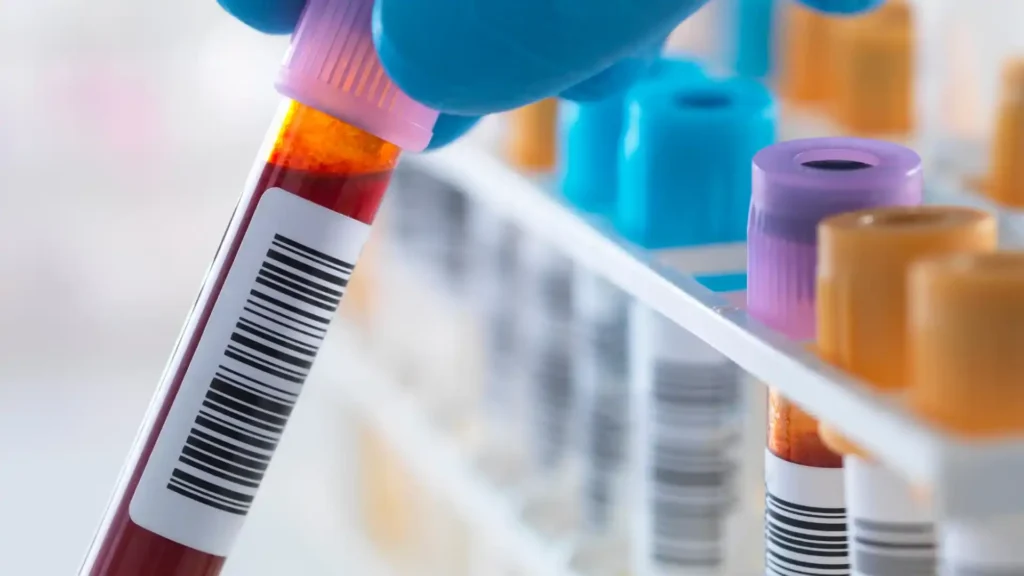
Lipid panels, which are also sometimes called lipid profiles, are very important for people who want to improve their health and lose weight. Triglyceride, LDL, and HDL cholesterol numbers are all well described in this report. These are all important signs of heart health. A doctor can make weight loss plans that not only help people lose weight but also improve their lipid metabolism, which lowers their risk of heart disease and makes them healthier in general by looking at these factors.
Vitamin and Mineral Levels
To lose weight effectively, you need to know what the right amounts of vitamins and minerals are. A healthy, balanced diet that includes enough essential minerals like calcium, magnesium, and vitamin D can boost fat oxidation, increase metabolic rate, and increase energy levels all around. In order to facilitate sustainable weight loss and promote long-term health advantages, nutritionists should concentrate on customizing dietary regimens to ensure these vital micronutrients are adequately ingested.
Hormonal Imbalances and Weight Loss
Impact of Hormones on Weight Management
Irregular hormone levels can make it hard to lose weight and keep it off. Genitalia in the endocrine system, which includes the pancreas, thyroid, and adrenal glands, releases hormones that help the body’s metabolism, control hunger, and store fat. Because hypothyroidism is marked by low thyroid hormone levels, for example, a lower basal metabolic rate and weight gain can happen even if you limit your calories.
Additionally, prolonged worry can raise cortisol levels, which can make you hungry and help you gain belly fat. Insulin resistance is another common biological problem that damages glucose metabolism and makes it easier to gain weight.
To make customized, effective programs that handle hormonal issues in addition to just focusing on calorie intake and exercise, doctors, dietitians, and weight loss experts need to understand these systems.
In addition to making weight loss programs more effective, this all-around plan also helps keep your metabolism healthy in the long run.
Key Hormonal Tests and Their Significance
A lot can depend on hormonal changes when it comes to losing weight, so it’s very important to find and treat any underlying endocrinological issues. Assisting with weight management requires important endocrine tests. TSH (Thyroid Stimulating Hormone) tests check how well the thyroid is working, and Cortisol tests check hormone levels related to worry.
Furthermore, the A1C and Insulin tests show insulin resistance and glucose metabolism, which are two more significant aspects of losing weight. In order to help patients and health enthusiasts meet their weight loss goals more quickly and sustainably, health professionals, dietitians, and weight loss specialists can make interventions that are more focused and effective by looking at these hormone markers.
Therefore, accurate hormone tests are necessary for personalized weight loss plans and a complete look at metabolic health.
Limitations and Considerations
What Blood Tests Cannot Reveal
Even though blood test for weight loss can find many biological signs, they still can’t fully show how much weight someone has lost. Blood test for weight loss are not very good at evaluating behavioral, psychological, and lifestyle factors that are important in controlling body weight, but they are very good at identifying hormonal imbalances, metabolic disorders, and nutritional deficiencies that may cause weight gain or hinder weight loss.
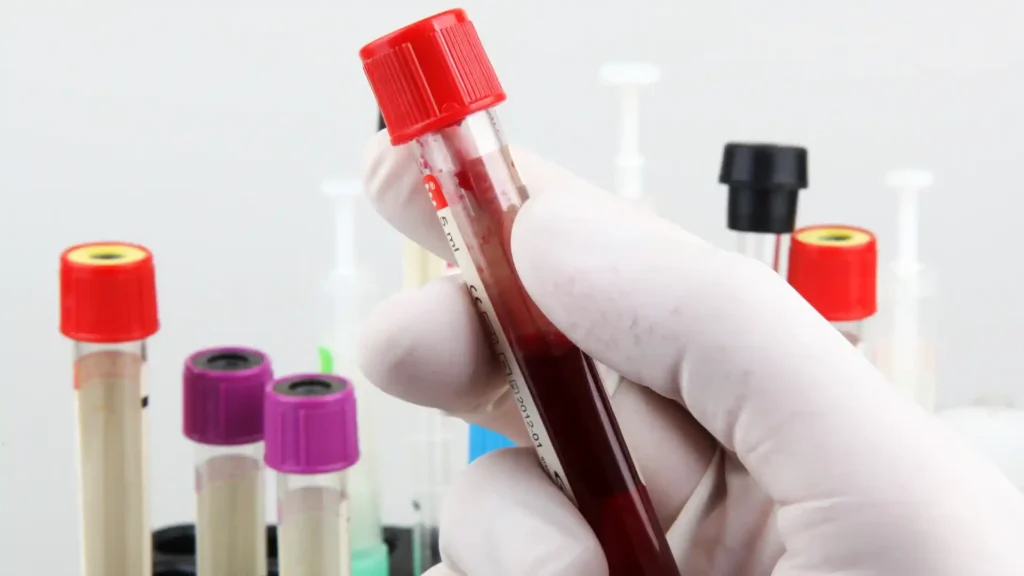
Things that are important for managing weight, like stress, sleep habits, and food choices, can’t be seen in a blood test for weight loss. Also, regular blood test for weight loss don’t always show differences between people’s gut flora, which is becoming more and more known to have an effect on metabolism and weight control.
So, blood test for weight loss can give you useful information about how to lose weight, but they should only be used as part of a more complete plan that looks at your mental health and way of life as well.
Need for Comprehensive Approaches
Medical study has made a lot of progress that has helped patients, but there are still important limits and factors that need to be considered. This is why comprehensive approaches are needed. The heterogeneity of clinical study populations doesn’t always accurately reflect the range of patient demographics that happen in real life, which is one of the main problems. This difference means that the results of clinical trials might not be useful for bigger groups of patients.
Multidisciplinary care is also often needed because multifactorial illnesses are so complicated. This is something that isn’t usually covered in single studies that focus on individual factors. Since many clinical studies only look at short-term endpoints, they don’t look at long-term patient outcomes or possible side effects. This means that longer follow-up times and post-marketing surveillance are needed.
To make medical interventions that work better and can be used by more people, we need to take a combined method that includes a wide range of patient groups, strategies from different fields, and long-term monitoring.
Future of Blood Tests in Weight Loss
Blood tests for weight loss could totally change personalized healthcare by giving dietitians, doctors, and weight loss experts information they have never had before. Recent progress in biomarker analysis has made it possible to precisely find metabolic abnormalities and hormonal changes that have a big effect on weight control. By using this information, experts can tailor treatments to each patient’s specific body type, making sure that their diet and exercise plans work as well as possible.

Continuous monitoring through a blood test for weight loss also allows for quick changes, which ensures progress and lowers the risk of health problems. New study suggests that using more advanced blood tests in regular clinical practice could lead to more effective weight loss plans that are based on science, which would ultimately be better for everyone’s health.
Answering the request “blood test for weight loss near me” – blood test for weight lost and blood test for a weight gain is a major component of the Ways2Well clinic’s tailored weight loss programs. Medical professionals can tailor weight loss plans to the unique physiological requirements of each patient by evaluating vital biomarkers including insulin levels, thyroid function, and metabolic rate indicators.
This precise approach ensures safer outcomes and increases the effectiveness of weight loss programs by treating underlying health concerns that may impede progress. The importance of data-driven, individualized healthcare solutions for both health enthusiasts and medical professionals is highlighted by the integration of blood testing into many weight loss journey and management programs.
Summary of Key Points
To effectively control your weight, you need to understand how hormone imbalances, metabolic disorders, and living choices all affect each other. Tests for insulin resistance, cortisol levels, and thyroid function are all important chemical tests that give important information that helps doctors figure out how to help each person.

However, blood test for weight loss are not enough on their own because they can’t fully account for all the behavioral, psychological, and living factors that have a big effect on weight loss. Weight loss plans that work and last need to be thorough and take into account a wide range of patient groups.
They also need to include long-term follow-ups. Blood test for weight loss has a bright future because it can help with accurate, individualized treatment that will lead to better health results over time through specialized exercise and diet plans.