
If you’ve been dealing with burning, tingling, or numbness along the sole of your foot that seems to get worse the longer you’re on your feet, you may be facing tarsal tunnel syndrome (TTS) – a condition caused by compression of the posterior tibial nerve as it passes through a narrow passageway near the inner ankle. It’s often described as the foot’s version of carpal tunnel syndrome, and like its wrist counterpart, it can range from a mild nuisance to a source of persistent, disruptive pain.
Because the symptoms overlap with plantar fasciitis and peripheral neuropathy, TTS is frequently misdiagnosed or diagnosed late. This article walks through the anatomy behind the condition, how to recognize the symptoms, how clinicians confirm the diagnosis, and what current research says about conventional treatment – from conservative care through surgical decompression for cases that don’t improve on their own.
What Is Tarsal Tunnel Syndrome?
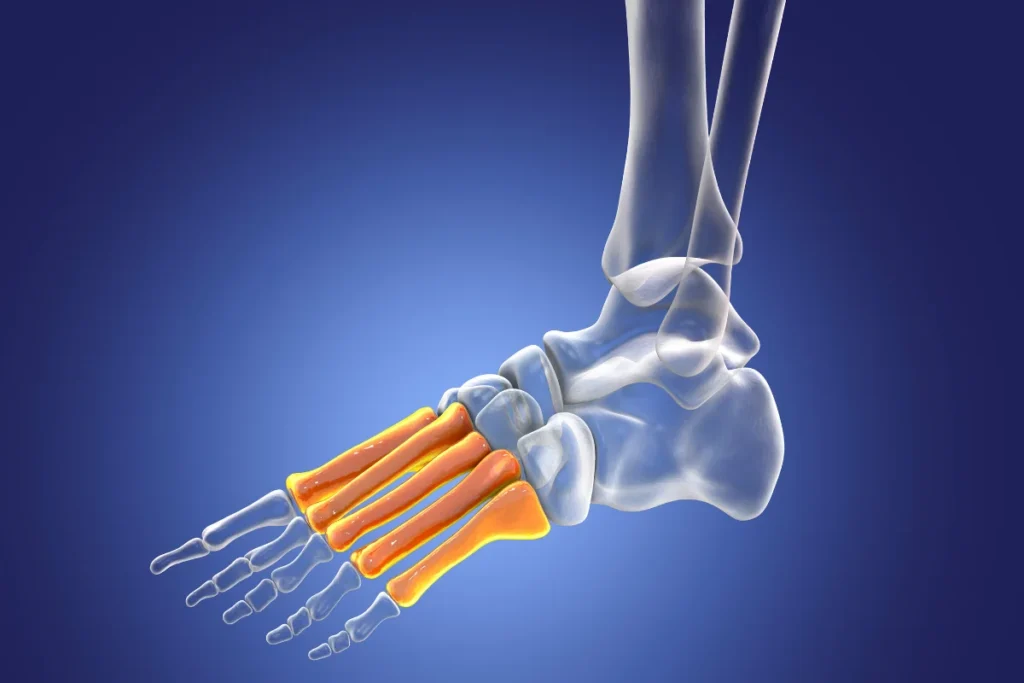
The tarsal tunnel is a narrow, fibrous-lined passageway located just below and behind the inner ankle bone (the medial malleolus). It’s formed by the flexor retinaculum, a band of connective tissue that arches over the tunnel, and it houses several structures traveling from the lower leg into the foot: tendons, blood vessels, and – most relevant here – the posterior tibial nerve, which later branches into the medial and lateral plantar nerves supplying sensation to the sole and toes.
TTS develops when something increases pressure within this confined space and compresses the nerve. Common contributing factors include flat feet or overpronation, which alter the angle at which the nerve travels through the tunnel; direct trauma such as an ankle sprain or fracture; swelling from varicose veins, tenosynovitis, or systemic conditions like diabetes and rheumatoid arthritis; and space-occupying masses such as ganglion cysts or lipomas within the tunnel. In some cases, no single clear cause is identified, which is one reason a comprehensive evaluation matters (McSweeney & Cichero, Foot (Edinb), 2015).
Recognizing the Symptoms
The hallmark of this condition is a burning, tingling, or “pins and needles” sensation along the inner ankle, heel, and sole of the foot, sometimes extending into the toes. Numbness and a sense of tightness or swelling in the same distribution are also common. Symptoms typically worsen with prolonged standing, walking, or running, and may ease somewhat with rest – though in more advanced cases, discomfort can occur even at night.
A classic clinical clue is Tinel’s sign: tapping over the posterior tibial nerve behind the medial malleolus reproduces or intensifies the tingling sensation, radiating into the foot. A positive Tinel’s sign, combined with a consistent symptom pattern, raises clinical suspicion, though it isn’t diagnostic on its own – imaging and electrodiagnostic testing are typically needed to confirm nerve involvement and rule out other causes (Rodríguez-Merchán & Moracia-Ochagavía, EFORT Open Rev, 2021).
How the Diagnosis Is Confirmed
Because symptoms can mimic plantar fasciitis, Morton’s neuroma, or peripheral neuropathy from other causes, an accurate diagnosis relies on more than a physical exam alone. Clinicians typically combine a detailed history, palpation for Tinel’s sign, and assessment of foot structure with imaging – ultrasound or MRI can help identify space-occupying lesions, varicosities, or tenosynovitis contributing to compression.
Electrodiagnostic testing, including nerve conduction studies and electromyography, adds an objective layer to the workup. Research suggests that routine motor and sensory nerve conduction studies of the medial and lateral plantar nerves have historically shown modest sensitivity – roughly 61% in one analysis – meaning a normal study doesn’t fully rule out the condition. Newer provocative testing protocols that stress the nerve in weight-bearing positions have been reported to meaningfully improve diagnostic sensitivity when combined with standard studies (Hasab ElNaby et al., Egypt Rheumatol Rehabil, 2022). This evolving picture is why diagnosis is best handled by a specialist experienced in interpreting these findings alongside the clinical picture, rather than by symptoms alone.
Conventional Treatment Options
Treatment for this condition is generally staged according to severity and how long symptoms have been present, starting with conservative measures and escalating only if those prove insufficient.
Rest and activity modification. Reducing repetitive impact – such as running or prolonged standing – and allowing inflamed tissue around the nerve to settle is often the first step, particularly for mild or recent-onset cases.
Orthotics and bracing. Custom or over-the-counter orthotics that correct overpronation or flat-foot mechanics may reduce abnormal tension on the nerve. Ankle braces or supportive footwear can offer similar relief by limiting excessive ankle motion.
NSAIDs. Oral nonsteroidal anti-inflammatory medications may help reduce swelling within the tarsal tunnel and ease associated discomfort, though they address inflammation rather than the underlying compression.
Corticosteroid injections. Targeted corticosteroid injections into the tunnel are sometimes used to reduce localized swelling and nerve irritation, particularly when tenosynovitis is a contributing factor. These are typically considered a short-term measure rather than a standalone long-term solution.
Physical therapy. Stretching and strengthening programs targeting the calf, ankle, and foot musculature, along with nerve-gliding exercises, are often incorporated to improve mechanics and reduce tension on the nerve.
Surgical decompression. When conservative care fails after an adequate trial – and a clear structural cause of compression is identified – surgical release of the flexor retinaculum to decompress the nerve may be considered. Outcomes research indicates that surgery tends to produce the best results in patients with a clearly identified cause, a positive Tinel’s sign, and a shorter interval between symptom onset and surgery (Reichert et al., Foot Ankle Surg, 2015).
The Evidence: What Research Shows
The published literature on TTS is smaller and less standardized than for more common nerve entrapments like carpal tunnel syndrome, but several themes emerge consistently. A 2015 narrative review noted that while conservative measures – rest, orthotics, anti-inflammatory approaches, and corticosteroid injections – are appropriate first-line steps, the overall quality of evidence guiding treatment decisions remains limited, and management is often individualized based on the suspected underlying cause (McSweeney & Cichero, Foot (Edinb), 2015).
A 2022 systematic review comparing conservative and surgical management found that conservative treatment resolved symptoms for many patients and is reasonably attempted before considering more invasive options, while surgical decompression – reserved for refractory cases – showed success rates ranging widely across studies, from roughly 44% to as high as 100% depending on how “success” was defined and measured (Vij et al., Orthopedic Reviews, 2022). This wide range reflects differences in patient selection, surgical technique, and outcome criteria rather than a single definitive answer.
A retrospective surgical outcomes study of 31 patients found that 71% achieved good or very good results after decompression, with meaningful reductions in pain scores and improvements in functional scoring at 12-month follow-up. The same study found that patients with an identifiable cause of compression, a positive Tinel’s sign, and a shorter delay between symptom onset and surgery tended to fare best (Reichert et al., Foot Ankle Surg, 2015). A broader 2021 review of surgical rationale and indications echoed this pattern, emphasizing that patient selection and accurate diagnosis are the strongest predictors of a favorable outcome (Rodríguez-Merchán & Moracia-Ochagavía, EFORT Open Rev, 2021).
Taken together, the evidence suggests outcomes – whether managed conservatively or surgically – are closely tied to accurate, timely diagnosis. This is consistent with broader patterns seen in other nerve compression and repair conditions we’ve covered, such as regenerative medicine for ankle pain and repair, where identifying the specific driver of symptoms shapes which approach is likely to help.
Safety Considerations and When to See a Specialist
Persistent burning, tingling, or numbness in the foot should not be dismissed as ordinary fatigue, especially if it worsens with activity or disrupts sleep. Because the differential diagnosis for these symptoms includes peripheral neuropathy, plantar fasciitis, Morton’s neuroma, and, less commonly, nerve tumors or vascular abnormalities within the tunnel, a proper workup by a podiatrist, orthopedic specialist, or neurologist is important before assuming this diagnosis is the cause.
Red flags that warrant prompt evaluation include progressive weakness in the foot or toes, symptoms affecting both feet with no clear mechanical cause (which may point toward a systemic neuropathy rather than a focal entrapment), signs of infection or acute swelling, or numbness that continues to worsen despite conservative measures. A qualified specialist can order the appropriate imaging and electrodiagnostic studies, distinguish this condition from look-alike diagnoses, and tailor a plan – conservative or surgical – to the specific cause identified. For readers dealing with broader nerve-related symptoms beyond the foot, our overview of emerging approaches to small fiber neuropathy may also be a useful starting point for understanding how nerve-related symptoms are evaluated more broadly.
Frequently Asked Questions
What nerve is affected by this condition?
The posterior tibial nerve is the structure compressed as it passes through the tarsal tunnel, a narrow space near the inner ankle. Because this nerve branches into the medial and lateral plantar nerves, compression can cause burning, tingling, or numbness along the sole of the foot and toes.
What are the most common symptoms?
The most common tarsal tunnel syndrome symptoms include burning, tingling, or numbness along the inner ankle and sole of the foot, often worsening with standing, walking, or running. A positive Tinel’s sign is a frequent clinical finding.
How is the diagnosis confirmed?
Diagnosis typically combines a physical exam, assessment of Tinel’s sign, and imaging such as ultrasound or MRI to look for structural causes of compression. Nerve conduction studies and electromyography are often used to help confirm nerve involvement, though research indicates standard testing has only moderate sensitivity.
What is the first-line tarsal tunnel syndrome treatment?
For most people, treatment begins conservatively with rest, activity modification, supportive orthotics or bracing, and anti-inflammatory strategies. Physical therapy and, in some cases, corticosteroid injections may also be used before surgery is considered.
Can it go away without surgery?
Many cases improve with conservative management, particularly when addressed early and when a correctable contributing factor – like flat feet or swelling – is identified. Research indicates conservative care resolves symptoms for a meaningful portion of patients, though outcomes vary by cause and severity.
When is surgery recommended?
Surgical decompression is generally reserved for cases where conservative treatment has failed after an adequate trial and a clear anatomical cause of nerve compression has been identified. Studies suggest outcomes tend to be best when there’s a defined cause, a positive Tinel’s sign, and a relatively short delay before surgery.
Is this the same as plantar fasciitis?
No. Both can cause foot pain, but plantar fasciitis typically causes heel pain that is worse with the first steps in the morning, while this condition produces burning, tingling, or numbness associated with nerve compression. The two can sometimes coexist and require different evaluations.
Can flat feet contribute to this condition?
Flat feet or overpronation are commonly cited contributing factors, as they can alter the angle and tension of the posterior tibial nerve as it passes through the tarsal tunnel. Supportive orthotics addressing foot mechanics are frequently part of a treatment plan for this reason.
Key Takeaways
- Tarsal tunnel syndrome results from compression of the posterior tibial nerve within a narrow passageway near the inner ankle
- Common symptoms include burning, tingling, and numbness along the sole of the foot, often worsening with activity
- A positive Tinel’s sign is a useful clinical clue, but imaging and nerve conduction studies help confirm the diagnosis
- Standard nerve conduction testing has only moderate sensitivity for this condition, so a specialist’s full evaluation matters
- Treatment is typically staged, starting with rest, orthotics, NSAIDs, and physical therapy before considering injections or surgery
- Surgical decompression is reserved for refractory cases and tends to work best with a clearly identified cause and timely intervention
- Because symptoms overlap with other foot and nerve conditions, an accurate diagnosis from a qualified specialist is essential before starting treatment
If foot or ankle nerve symptoms are affecting your daily activity, a thorough evaluation is the right starting point – you can schedule a consultation with the Ways2Well team or begin with comprehensive blood work to help rule out systemic contributors like diabetes-related neuropathy alongside a musculoskeletal workup.


References
- McSweeney SC, Cichero M. “Tarsal tunnel syndrome-A narrative literature review.” Foot (Edinb). 2015;25(4):244-250. DOI: https://doi.org/10.1016/j.foot.2015.08.008
- Rodríguez-Merchán EC, Moracia-Ochagavía I. “Tarsal tunnel syndrome: current rationale, indications and results.” EFORT Open Rev. 2021;6(12):1140-1147. DOI: https://doi.org/10.1302/2058-5241.6.210031
- Vij N, Kaley HN, Robinson CL, Issa PP, Kaye AD, Viswanath O, Urits I. “Clinical Results Following Conservative Management of Tarsal Tunnel Syndrome Compared With Surgical Treatment: A Systematic Review.” Orthopedic Reviews. 2022;14(3):37539. DOI: https://doi.org/10.52965/001c.37539
- Reichert P, Zimmer K, Wnukiewicz W, Kuliński S, Mazurek P, Gosk J. “Results of surgical treatment of tarsal tunnel syndrome.” Foot Ankle Surg. 2015;21(1):26-29. DOI: https://doi.org/10.1016/j.fas.2014.08.013
- Hasab ElNaby MM, Abdel Rahman AF, Ibrahim RA. “Novel electrodiagnostic provocative techniques for the diagnosis of suspected tarsal tunnel syndrome.” Egypt Rheumatol Rehabil. 2022;49(1):53. DOI: https://doi.org/10.1186/s43166-022-00151-z
Author: Ways2Well Editorial Team
Reviewed by: Scientific Advisory Board member