
Hormone Replacement Therapy after a hysterectomy needs a complex plan to stay safe and successful for patients. HRT is mostly used to lessen the effects of estrogen deficiency, such as osteoporosis, urogenital shrinkage, and vasomotor symptoms. You need to carefully consider these benefits along with any risks. In line with current guidelines, each patient should be given HRT that is specifically suited to their age, health, and personal risk factors.

For example, systemic estrogen therapy may work better for younger women who aren’t allergic to it, but non-systemic or targeted treatments may be better for women who are more likely to have negative effects.
HRT After Hysterectomy
Either by mouth, or through the skin, estrogens can be given. Each has its own pros and cons. Even though oral estrogens are easier to use, they raise the chance of stroke and thromboembolic events. For many, transdermal estrogen is a better option because it doesn’t go through the liver and is linked to a lower risk of damage.
Women who have had a hysterectomy don’t always need to take progestogens along with combination treatment to avoid endometrial hyperplasia. In some situations, though, it might be a good idea. Along with patient opinions and clinical indications, these factors must be carefully thought through in order to tailor hormone replacement therapy after hysterectomy to get the most benefits and the fewest risks.
What is Hormone Replacement Therapy After Hysterectomy?
HRT after hysterectomy – administration of estrogen and sometimes progestin, to compensate for the loss of ovarian hormone production. Some patients seek alternatives to regular HRT due to concerns about dangers or personal preferences. Wellness changes including eating healthily, exercising, and practicing yoga or mindfulness can also reduce symptoms.
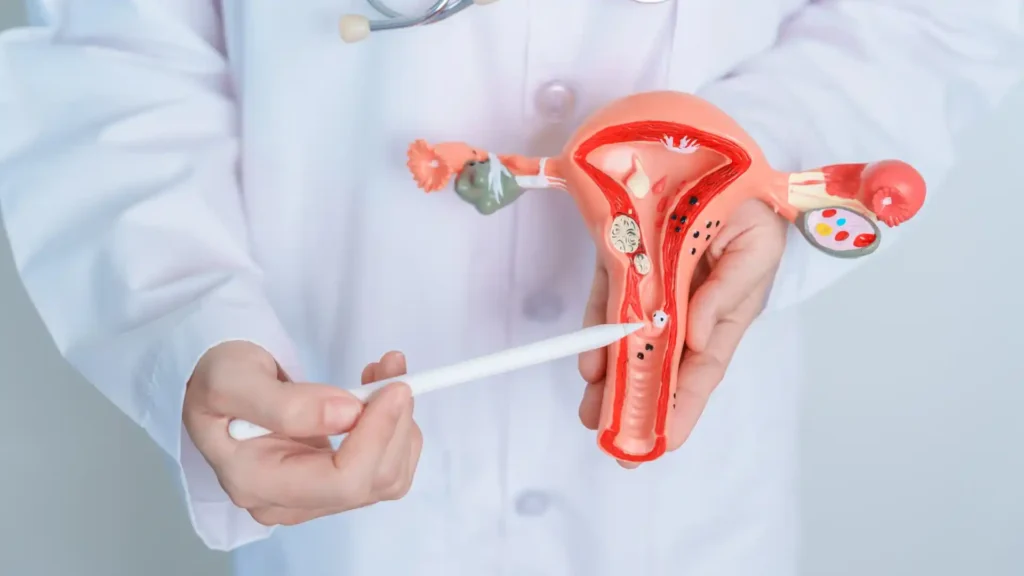
HRT is a way to better manage the effects of less or absent endogenous hormone production after a hysterectomy. Signs like hot flashes, and sweating should be eased with HRT in this case. Potential long-term benefits include keeping bones healthy and possibly lowering the risk of osteoporosis and heart disease. Different combinations of systemic estrogen and progestogen may be used, depending on whether the woman has kept her ovaries or not.
More natural phytoestrogens are found in plant-based meals. Finally, patient welfare should guide treatment selection. This entails discussing each option’s advantages and downsides and ensuring that the management plan meets the patient’s health and quality of life goals.
HRT after a hysterectomy requires gynecologists and medical researchers to have a deep understanding of both the unique needs of each patient and the most common therapeutic suggestions. Age, the presence of any leftover ovarian tissue, the chance of hormone-sensitive cancers, and any existing medical conditions are all carefully thought-through factors.
Recently conducted studies have shown that unique HRT plans are needed to find a balance between relieving symptoms and reducing side effects. Current studies are looking into the long-term effects of systemic hormone replacement treatment with the goal of improving methods to get the best results for patients. Following a hysterectomy, patients need to understand the reasoning behind HRT as well as any possible risks or benefits in order to make smart choices with their doctors.
Role of HRT Post-Hysterectomy
For a woman who had her uterus surgically removed and needs help controlling her menopausal symptoms, hormone replacement therapy after hysterectomy and oophorectomy is a mandatory part of care after the surgery. Often, the rapid stop of ovarian activity is what causes menopause symptoms like vaginal dryness and night sweats to start all at once. These signs can make life a lot less enjoyable.
Recent studies show that hormone replacement therapy post-hysterectomy can effectively lower these symptoms and improve overall health by replacing the body’s natural production of estrogen. However, because of the wide range of patient responses and the risk factors that come with them, it is important to have individualized treatment plans. So, when deciding whether to use hormone replacement therapy after hysterectomy, the first thing that should be thought about is a full review of each patient’s medical background and risk profile.
Choosing the Right Type of Hormone Replacement Therapy After Hysterectomy
HRT has been shown to aid hysterectomy patients. However, hormone replacement therapy after a hysterectomy has its risks, therefore users must be cautious and knowledgeable. The risk depends on the patient’s age at hormone replacement therapy after total hysterectomy initiation and administration technique.
Overall, safe hormone replacement therapy after a hysterectomy can improve the quality of life for hysterectomy patients, but its risks and benefits must be addressed. The patient and healthcare practitioner should interact regularly and make evidence-based changes before starting hormone treatment after hysterectomy to make it safer and more effective.
Estrogen-only vs. Combined Hormones
Different treatment problems arise for postmenopausal women who choose estrogen-only or estrogen-progestogen hormone replacement therapy. Female patients are often told by their doctors that they can stop their endometrial hypertrophy by using HRT which only includes estrogen. Patients who have had a hysterectomy might try estrogen-only treatment.
Estrogen-only treatment has been linked to a lower chance of breast cancer compared to treatment that includes both estrogen and progestogen. Some studies suggest that chemicals that only contain estrogen may also be better at treating mood swings, hot flashes, and night sweats.
Some benefits of estrogen-only hormone replacement therapy over other types of treatment do exist, especially when it comes to improving health in the long run. It’s important to take care of your bones after menopause, as a study shows that doing so may greatly reduce the number of injuries generated by osteoporosis. Only estrogen HRT is needed to keep bone density normal. Keeping older women from getting diseases that are bad for getting older helps them live longer. Additional study is needed to learn more about the possible heart effects of hormone replacement therapy using only estrogen.
Multiple studies show that HRT might help to keep heart diseases at bay. Whether a patient gets estrogen-only or estrogen-progestogen hormone replacement therapy depends on their medical background, risk factors, and personal preferences. The best thing for older women’s health and situation is to talk to their clinician about their decisions.
Forms of HRT After Hysterectomy and Oophorectomy
Because hysterectomy and oophorectomy stop the body from naturally making hormones, patients need to start HRT. Multiple types of hormone replacement therapy after hysterectomy and oophorectomy are available to treat the hypoestrogenic state that follows and lower symptoms like hot flashes, and osteoporosis.
Since cancer and endometrial hyperplasia don’t affect women who don’t have uteruses, estrogen-only treatment is often suggested for them. When drugs are given orally, they can be applied topically or transdermally. Each of these methods has its own pharmacokinetics and patient compliance issues.
Increasingly popular are also bioidentical hormone preparations and compounded formulations, though they need more thorough clinical proof to find out if they are safe and effective. The patient’s health, symptoms, risk factors, and tastes should all play a role in choosing the type of HRT they receive, and the pros and cons of each type should be totally understood.
Finding the Right Provider
HRT is a complicated and individualized treatment, so patients should choose doctors who practice personalized medicine and know about the newest clinical standards and research. Doctors and nurses need to know that a hysterectomy can change hormones. As a result of this information, they may be able to make HRT plans that are more effective and lower the risks for each patient.

Communicating well is important for healthcare workers who want to help patients decide on the best hormone replacement therapy after hysterectomy. Working together with gynecologists or endocrinology experts who do a lot of hysterectomies can help you target and improve the effectiveness of HRT. For a complete and helpful treatment experience, people who are starting hormone replacement therapy after hysterectomy should find a qualified and caring medical professional.