
Careful attention must be paid by medical workers to HRT before, during, and after pregnancy. For women who are starting or continuing HRT before getting pregnant may help them deal with their conditions. Because HRT can be harmful to both the mother and the growing baby, it is generally closely watched when it is used during pregnancy.

For example, using progesterone and estrogen should be carefully thought out to lower risks like thromboembolic events and problems during pregnancy. HRT can be used to treat hormone changes and help older moms deal with symptoms like depression or the start of menopause. To improve the health of both the mother and the baby, clinicians should provide personalized care, weigh the healing benefits of HRT against any possible risks, and work with patients to make decisions.
HRT Before Pregnancy
Hormone replacement therapy and pregnancy can affect both the mother and the baby, doctors, and women’s health workers are very interested in prescribing HRT before pregnancy. Although hormone replacement treatment is usually used to treat symptoms of hormone imbalance or deficiency, it can be very important for promoting good reproductive health before getting pregnant. Hormone replacement therapy HRT can help lower the chance of losing a pregnancy early, according to studies.
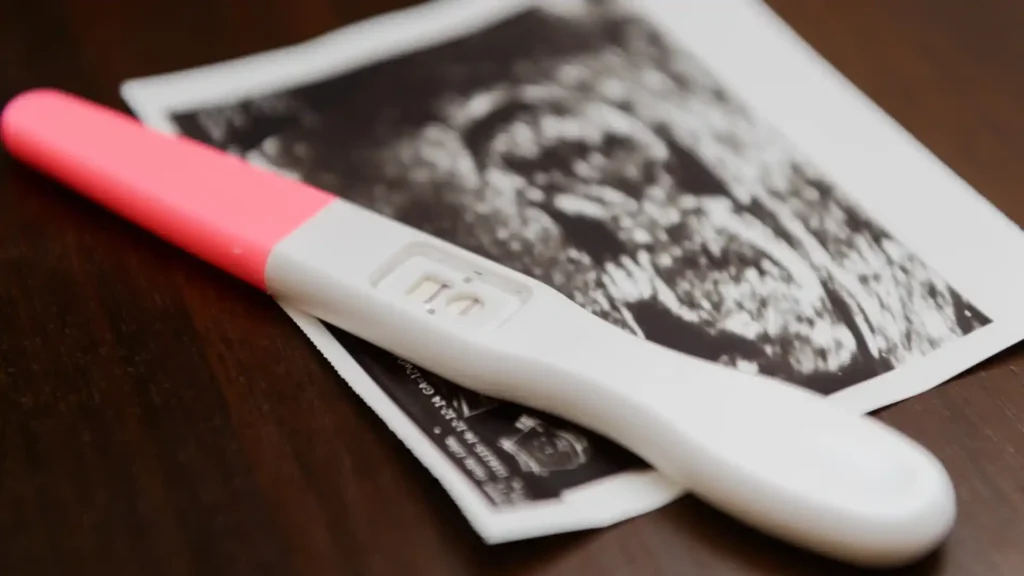
It is mandatory to carefully consider time, amount, and specific hormone compositions based on a person’s medical history and underlying problems. Expectant mothers who are thinking about HRT before they get pregnant should follow a personalized plan that supports a healthy pregnancy from the start and the health of both the mother and the baby. Talking to healthcare experts about the pros and cons of hormone replacement therapy and pregnancy is important.
Assessing the Need for HRT
Reproductive hormone diseases must be carefully looked at by clinicians in women who want to get pregnant. There are lab tests to check the levels of hormones like estrogen, progesterone, and gonadotropins, as well as a full evaluation that includes a full patient background.

By using the right HRT, the mother’s overall health can improve, and the baby’s growth can be protected. Therefore, to help with getting pregnant and keeping it safe, individualized HRT plans must be made based on the patient’s specific hormonal makeup and reproductive goals.
Pre-pregnancy Hormonal Assessments
An essential part of providing prospective moms with proactive therapy for their reproductive health is the measurement of pregnancy hormones. Key hormones like progesterone, luteinizing hormone, follicle-stimulating hormone, and estradiol are typically measured during these procedures.
Clinicians can enhance reproductive outcomes and reduce dangers related to hormonal disruptions by detecting possible hormone imbalances or deficiencies prior to pregnancy.
Furthermore, by enabling medical professionals to address hormone replacement therapy and pregnancy or particular endocrine problems that may hinder conception, and raise pregnancy concerns, clinicians offer individualized therapy alternatives. Hormone testing therefore increases the chance of a safe pregnancy and enhances the general health and welfare of the mother and developing fetus.
Managing HRT during pregnancy
Managing hormone replacement treatment and pregnancy requires a deep understanding of the health risks to both the mother and the baby. Healthcare workers are supposed to think about the pros and cons of hormone replacement therapy pregnancy. Persons who are pregnant and taking HRT may need to make changes to their treatment plans. This is something that should be closely watched throughout the whole pregnancy.

Necessary aspect to think about when continuing is a history of hormone deficiencies. Clinicians work together to treat patients as a whole in order to improve the health of both the mother and the baby. This way of doing things stresses the importance of ongoing observation, patient education, and flexible treatment options.
HRT During Pregnancy
We still don’t know a lot about HRT during pregnancy, especially about how it might impact the health of both the mother and the baby. Some women who have certain hormonal diseases or who are getting fertility treatments may need to take certain hormones to keep their pregnancies going.
There must be careful thought put into the time, amount, and type of hormones used, though. Based on new research, it is clear that personalized treatment plans and close tracking are key to lowering risks such as thromboembolic events and effects that lead to birth defects.
It needs to be looked into more to see if HRT is safe for pregnant women. This way, both the mother and the baby can grow as much as possible. To do a good job with this difficult case, we need a plan that includes the newest methods that have been shown to work.
Monitoring and Adjustments
During pregnancy, taking HRT and closely watching the mother and the baby are needed to make sure their health. Because of this, doctors must monitor and make changes as needed. Findings of any changes from the expected hormone levels and quickly preventing them are important through clinical and lab tests.

The objective of this dynamic management strategy is to safeguard the mother’s and fetus’s health during pregnancy by strengthening therapeutic results and avoiding the risks connected with hormone imbalances.
HRT After Pregnancy
It is becoming more common to use HRT to treat hormonal problems in new mothers that happen after giving birth. Many mental and bodily symptoms, including mood swings, anxiety, and depression, as well as hot flashes and night sweats, can be caused by hormone imbalances after giving birth. HRT tries to get these hormone levels back in balance so that symptoms get better and lifestyle quality goes up generally.
Based on the data we have access to, mothers’ mental health and well-being may be greatly helped by HRT programs that are carefully watched during the difficult time after giving birth. Doctors must look at each new mother’s specific needs and medical background, including risks like breast cancer and thromboembolic events, to make sure that HRT is safe and effective. The best HRT for new moms needs to include both regular tracking and individualized medical advice.
Postpartum Hormonal Fluctuations
Hormone changes after giving birth are a very important time for new mothers to get their bodies used to the changes, which can have a big effect on their mental and physical health. In the postpartum phase, levels of progesterone and estrogen change quickly. These are two important hormones that drop sharply after giving birth.
Mood swings, tiredness, and a higher risk of postpartum depression are some of the signs that could happen because of these changes in hormones. Letting new moms know about these changes is a big part of making their experiences seem normal and pushing them to take charge of their postpartum health problems.
Therefore, a complete knowledge of how postpartum hormones work is an important part of providing good care to mothers, as it helps with both short-term and long-term recovery.
Resuming HRT
When deciding to start HRT after giving birth, many things need to be carefully thought through, such as the mother’s specific hormonal needs, the timing of the choice, and any possible risks. The purpose of starting HRT again is to enhance overall well-being by managing long-lasting signs of hormone imbalance, like tiredness, hot flashes, and mood swings.

A short break from hormone replacement therapy may be needed for some women in the first few weeks after giving birth to give their bodies time to get used to the changes. However, starting HRT again under the care of a clinician can be helpful if symptoms are serious or long-lasting and get in the way of daily life.
If the patient is breastfeeding, healthcare workers must carefully consider her medical history, current health, and HRT regimen to make sure it is safe and effective. Through a personalized plan that focuses on reducing any possible side effects, starting HRT will have a positive effect on the mother’s recovery and long-term health.
HRT and Breastfeeding
HRT during nursing is a complicated subject that needs many careful thoughts from lactation experts and other health care professionals. New studies show that even though some hormones found in HRT can get into breast milk, it’s still not clear what healing effects this has on the nursing baby. Estrogen, which is often found in HRT, has been shown to stop prolactin from working, which is a hormone that is needed for milk production.
Each mother and child should have their own care plan made, taking into account their unique hormonal schedule, their medical needs, and the baby’s health. This will help make sure that everyone has the best possible result.
Psychological Aspects of HRT and Pregnancy
Mental effects of hormone replacement therapy and pregnancy are complicated and need to be carefully watched over by medical professionals. The mother’s mental health and the baby’s growth can both be affected. Mood swings, increased anxiety, and changes in how a person sees their body are examples. Having psychological resilience, social support, and well-informed treatment are mandatory for mothers to do well and lessen the negative psychological effects.
To make care plans that take into account the physical and mental health of hormone replacement therapy pregnancy, doctors and women’s health advocates need to fully understand how these two things affect each other.
Is it safe to start HRT during pregnancy if not previously taking it?
When a woman is pregnant, she should carefully check out and talk to medical professionals before starting HRT, especially if she has never taken the drug before. According to a recent study, starting HRT during pregnancy is not usually a good idea because it could be harmful to both the mother and the growing baby. Adding outside hormones could mess up the endocrine system and have bad effects since hormones usually change a lot during pregnancy.
In some cases, like when there are serious hormonal imbalances or certain medical conditions, hormone therapy may be necessary. However, these are rare situations that need a very specific management plan. So, a full review by a group of experts from different fields is needed to find out if hormone replacement therapy pregnancy is safe and appropriate. This team review will also make sure that any intervention is based on a thorough risk-benefit analysis that is tailored to the patient’s unique medical condition.
Summary
In the postpartum period, sudden changes in progesterone and estrogen levels have a big effect on both physical and mental health. This, in turn, makes complaints like tiredness and mood swings more likely. Before choosing to start HRT again after giving birth, a woman should think about her own hormonal needs, her health, and any possible risks, especially when it comes to breastfeeding.
Starting HRT during pregnancy needs a full, one-on-one exam because it could be harmful to both the mother and the baby. Strong mental and social support is very important, and the psychological effects of HRT during pregnancy make this clear. A lot of knowledge and personalized care from healthcare experts are needed to improve mothers’ health at these important stages.