
Outstanding medical advances have been made possible by stem cell research. These investigations inspire scientists to look into the unusual origins of these powerful cells. One such source is menstrual blood. However, does period blood have stem cells? Research suggests that it does. This creates attractive opportunities for therapeutic uses and rejuvenating therapies. Let’s investigate the probable advantages of stem cells in period blood. Let’s discover how they could revolutionize medical treatments.
Stem Cells in Period Blood
The period blood contains stem cells. The medical community has shown a great deal of interest in the investigation of this subject. Contrary to conventional stem cell sources, period blood offers a renewable and non-invasive option. So, seek the question “Are there stem cells in period blood?” Yes, and these endometrial regenerative cells demonstrate unique properties. These features make them highly valuable for research and medical treatments.
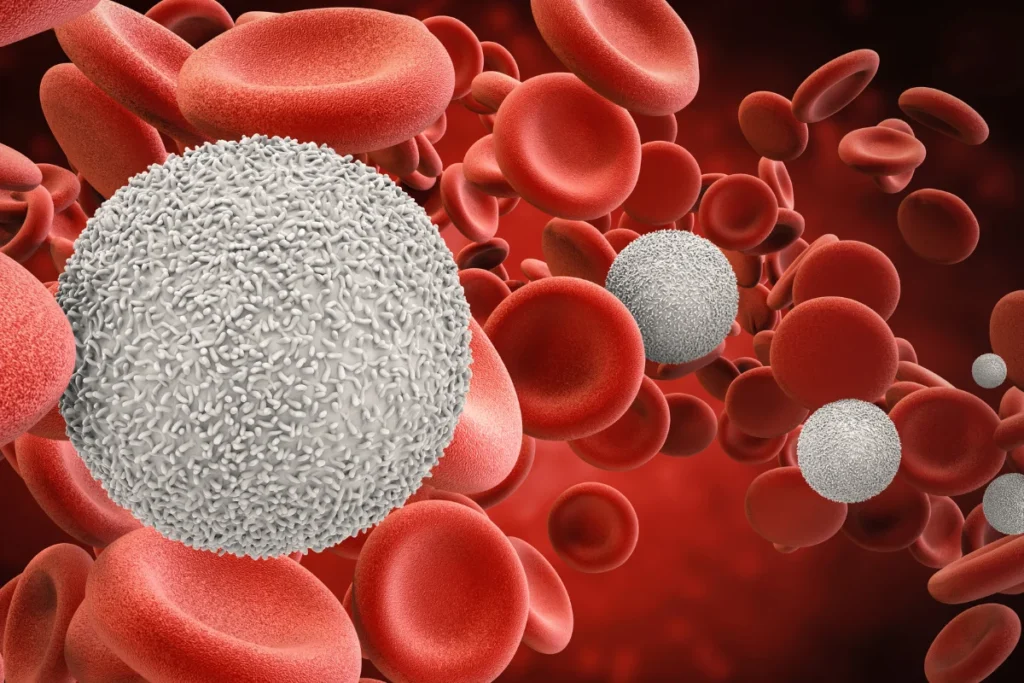
The Mechanisms of Period Blood Stem Cells
Many people are curious about the regenerative properties of period blood. Some of them ask “Is there stem cells in period blood?”
Period blood has stem cells from the endometrial lining during menstruation. These stem cells possess the ability to develop into different cells. This makes them a promising candidate for regenerative medicine. Scientists have been investigating whether period blood contains stem cells with similar capabilities to other stem cell sources. And the results have been promising.
The question “Does period blood have living stem cells?” helps to understand its possible applications. According to research, the stem cells from period blood remain viable and functional cells. They can self-renew and develop a novel stem cell population. This makes them an attractive option for therapies to repair damaged tissues and treat many other diseases.
Prospective Advantages of Stem Cells in Period Blood
Regenerative Medicine
This medicine presents a rapidly growing field. It addresses repairing, replacing, and growing back damaged organs and tissues. This discipline incorporates stem cell therapy and gene editing. These treatments address chronic diseases, injuries, and degenerative conditions. Period blood stem cells have shown wonderful promise in this sphere of medicine. The ability of human mesenchymal stem cells to change their type allows medical specialists to use them for regenerating damaged tissues and organs. According to investigations, stem cells from period blood may foster repairing heart tissue, nerve cells, and bones.
Moreover, regenerative medicine aims to shift the attention from symptom management to actual tissue repair. Scientists are investigating ways to use stem cells in period blood to treat some severe conditions: osteoarthritis, liver cirrhosis, and even vision loss. The ability to renew damaged tissues without the threat of rejection and ethical concerns of embryonic stem cells makes period blood stem cells especially appealing.
Neurological Treatments
Parkinson’s disease and spinal cord injuries have limited treatment options. However, stem cells in period blood offer hope for developing new therapies. Scientists are exploring whether period blood has stem cells that could help regenerate nerve cells and improve neurological function.
Modulation of Immune System
The defense system greatly influences maintaining general health. It defends the body against harmful pathogens. It prevents attacks on its own tissues. In some conditions, the defense mechanism of the organism improperly attacks its healthy cells. This fosters inflammatory events and damage to the tissues. Stem cells in period blood possess outstanding properties to combat inflammatory processes. In such a way, they can help regulate the responses of the defense system. This ability makes them valuable for treating different immunological conditions.
Period blood stem cells can influence the defense function of the organism by reducing extra inflammatory processes and promoting the restoration of the stability of the immune system. These cells exhibit the great ability to modulate the activity of immune cells: T cells, B cells, and macrophages. This helps to control the immune response. According to research, menstrual blood derived stem cells could be obtained to develop novel treatments for different conditions of the immune system. There are allergic reactions, inflammatory bowel diseases, and organ transplant rejection among these conditions.
Wound Cure
This complex biological process involves cell proliferation and control of inflammatory processes. It also includes tissue remodeling. Period blood stem cells have demonstrated significant abilities in advancing these processes. They facilitate the regeneration of skin, muscle, and connective tissue.
Encouraging the creation of vital vascular endothelial growth factors and improving collagen formation with menstrual stem cells can hasten the healing process of wounds. This makes them especially useful in the treatment of burns and long-lasting wounds. Facilitating structured tissue regeneration in contrast to extra fibrotic tissue deposition can also lessen scarring.
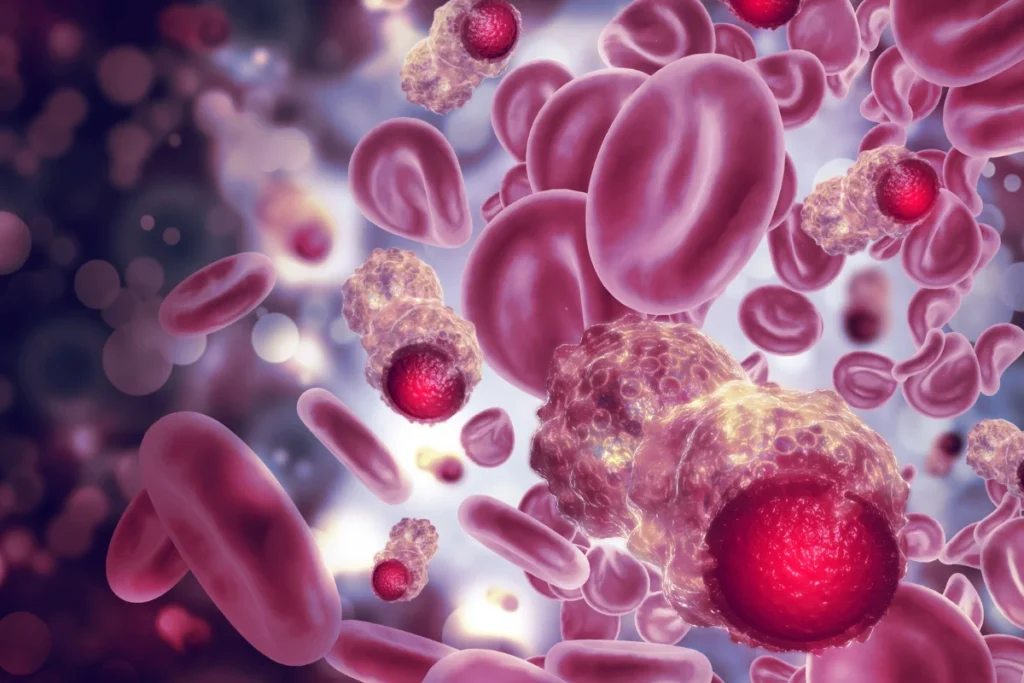
Also, scientists are investigating the use of stem cells from period blood in the creation of bioengineered tissues and complex wound care products.
Incorporating these cells into biomaterials makes it possible to create wound treatments. These innovations not only protect injured areas. They also actively promote faster and more effective healing. In the future, period blood stem cells could be used in skin grafts and post-surgical recovery. In cosmetic procedures, they can be applied to restore damaged skin and tissues.
Heart Health
Does period blood contain stem cells that can benefit heart health? Investigations confirm the possibility of these cells to facilitate repairing damaged tissue of the heart after an attack. This may result in novel therapies for vascular and heart disease. Persistent issues are less likely with this treatment.
Anti-Aging Effects
The cosmetic industry is also interested in the possible benefits of stem cells from period blood. These cells may aid in anti-aging treatments because they promote collagen production and skin regeneration. These abilities help to achieve healthier and more youthful skin.
Aging leads to a natural decline in skin elasticity and cellular turnover. Period blood stem cells contain growth factors and cytokines. These small components support skin cell regeneration. This property makes these cells valuable for anti-aging treatments. Triggering collagen formation with these stem cells helps to lessen fine lines and sagging skin.
Additionally, stem cells from period blood have shown great capabilities for improving the moisturizing of the skin and its structure. They enhance the ability of the skin to retain moisture and repair damage from outside factors. These properties make them an exciting variant for advanced skincare formulations and non-invasive skin rejuvenation therapies.
Researchers are also exploring the possibility of using period blood stem cells in treatments for acne scars and other dermatological conditions. Accelerating skin cell renewal with these cells may offer a natural and effective alternative to traditional cosmetic procedures.
How to Donate Period Blood for Stem Cells
Research into menstrual blood stem cells progresses. So, the question of how to donate period blood for stem cells arises. Some organizations and research institutes have initiated programs to collect and study menstrual blood for its regenerative abilities. Women interested in donating can reach out to specialized stem cell banks. These cell banks collect and preserve period blood stem cells for possible future use.
Ethical Concerns
According to studies, the question “Are stem cells in period blood” does not require confirmation. The period blood contains stem cells. This idea raises ethical and logistical questions. It provides a non-invasive source of stem cells. However, standardizing collection, processing, and storage must be managed. Also, public awareness and acceptance of using period blood for medical purposes need to be improved.
Perspectives of Period Blood and Stem Cells Research
Using ongoing advancements, scientists continue to explore the vast properties of stem cells from period blood. Medical investigations must assess their effectiveness in treating different diseases. This can lead to mainstream medical applications. This makes period blood a widely recognized source of valuable stem cells.
So, let’s answer to the question “Does period blood have stem cells in it?”. Absolutely. According to investigations, the period blood contains stem cells with outstanding abilities for wound healing and many other applications. Scientists continue to uncover new applications. So, the period blood stem cells may revolutionize modern medicine.
For people interested in contributing to this field, donating stem cells period blood could be a way to support scientific advancements. They unlock new treatment possibilities. The perspective of period blood and stem cells is bright. They offer hope for many medical breakthroughs.