
Overview of Osteoporosis
One common bone disease is osteoporosis, which causes bones to lose strength and break more easily because the tissue is breaking down in small ways. osteoporosis is a disease that mostly affects older women and women who have gone through menopause.
Serious public health problems arise from its connection to illness, death, and a lower quality of life. Bone density is highest in early adulthood and then slowly drops as you get older. This process happens faster during menopause, though, because estrogen levels drop quickly, which is important for keeping bone balance.
Understanding the pathophysiology of osteoporosis is important for doctors, geriatric specialists, and women who have gone through menopause because it shows how important early detection and targeted treatment are in lowering the chance of osteoporotic fractures.
Importance of Bone Health
Adults must maintain healthy bones in order to be both physically and generally useful. The body’s structure is maintained by the bones, which also help with mobility and hold muscles and joints in place.
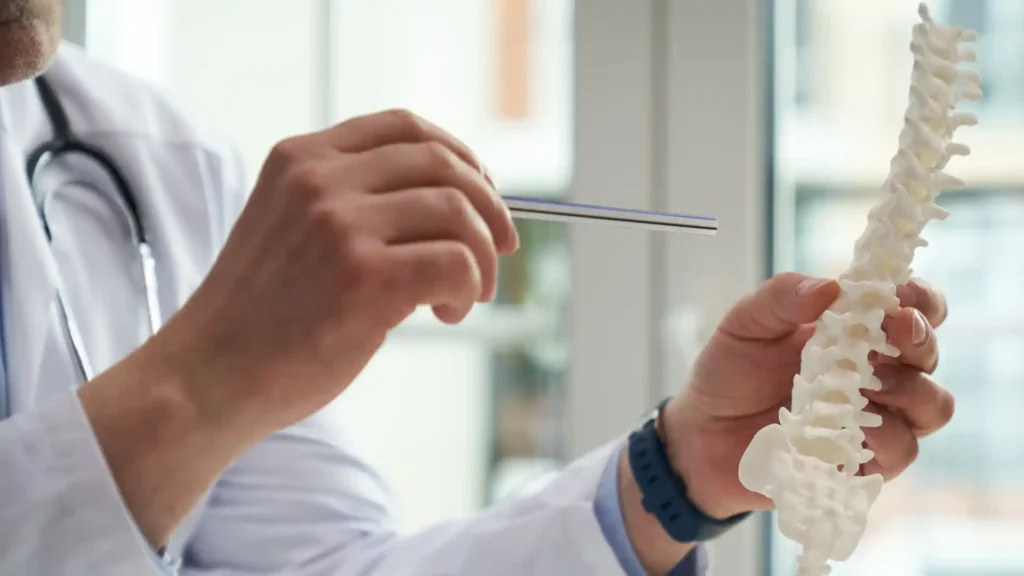
Your risk of falls and long-term disability increases with poor bone health. Osteoporosis and osteopenia are two conditions that might cause this. Maintaining good bone health can be achieved with a well-balanced diet rich in calcium and vitamin D, consistent weight-bearing activity, and lifestyle modifications such as reducing alcohol and tobacco usage.
It takes this intricate approach to maintain high bone density, increase life expectancy, and improve quality of life.
How HRT Works to Treat Osteoporosis
Mechanism of Action
HRT fills in the missing estrogen that causes bone loss. Maintaining bone balance requires estrogen, which helps bones grow and stops them from breaking down. Menopause changes the balance so that osteoclasts are more active.
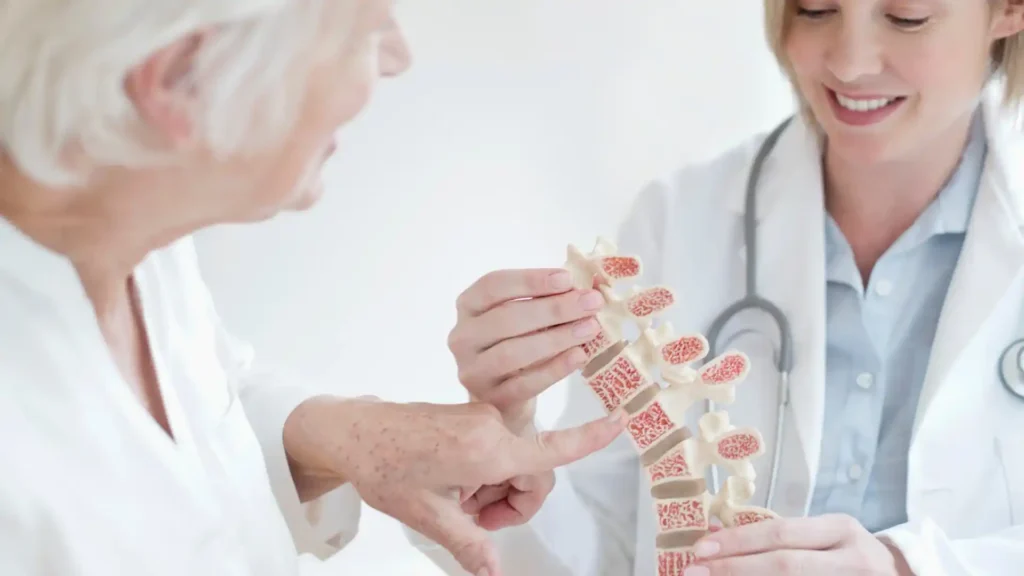
This makes bones break down, and when estrogen levels drop, bone loss happens. Hormone replacement therapy for osteoporosis keeps bone growth by raising estrogen levels and slowing down bone loss by inhibiting the activity of osteoclasts. It seems estrogen therapy also makes the bone matrix better at keeping calcium. Hormone replacement therapy for bone loss can help women who are at risk after menopause.
Role of Estrogen in Bone Health
Endocrine hormones change the actions of osteoblasts and osteoclasts, the cells that build and break down bones, respectively. Premenopausal estrogen levels help keep the balance between these two processes, which protects bone density and structural stability. In contrast, a faster rate of bone loss is connected to lower estrogen levels after menopause, which raises the risk of osteoporosis and injuries.
To come up with effective ways to treat bone-related conditions in women with menopausal symptoms who have gone through menopause, we need to know how estrogen changes collagen production. Advances in this area of study could greatly assist medical experts and people who work to improve women’s health by revealing more targeted ways to keep a woman’s bones healthy throughout her lifetime.
Effects of HRT on Bone Density
HRT has been examined for bone density, mostly in postmenopausal women at risk of osteoporosis. There is significant evidence that hormone replacement therapy for osteoporosis can enhance bone mineral density (BMD), lowering bone breakage risk. Controlling estrogen levels is done.
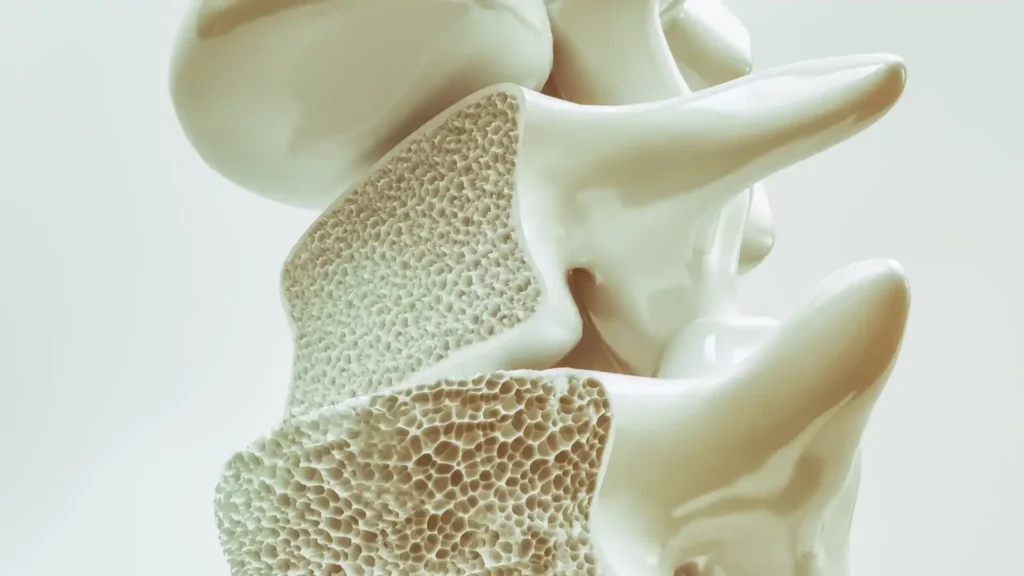
To inhibit bone loss and promote bone growth, estrogen levels are crucial for bone formation and remodeling. Users of hormone replacement therapy for osteoporosis have higher BMD than non-users. HRT may promote bone health. To balance benefits against concerns including heart disease and breast cancer, each person must take hormone replacement therapy for bone loss differently.
Benefits of HRT for Osteoporosis
Increased Bone Density
By keeping or increasing BMD, older people can escape getting osteoporosis and the problems that come with it. Having more dense bones makes players stronger and less likely to get hurt, which are both important for keeping up their performance levels.
Adults can strengthen their bones to avoid health problems in the future, especially if they do weight-bearing and pressure exercises. Medical experts also stress that proper vitamin D and calcium intake should be combined with individualized activity plans in order to improve bone health in a wide range of population groups.
The fact that exercise and food work together to improve bone density shows how important it is to have a complete plan for keeping your bones healthy.
Reduced Risk of Fractures
Osteoporosis causes bones to lose mass and break down, which makes a person much more likely to break and require surgery. Friction fractures can cause serious illness and a lower quality of life. HRT raises estrogen levels that drop during menopause so that bone health and density are maintained.
HRT can lower the chance of both vertebral and non-vertebral fractures by changing the processes that change bone remodeling and increasing bone mineral density (BMD). Because of their higher risk of osteoporosis-related injuries, postmenopausal women feel the effects of therapy more strongly than other women.
Hormone replacement therapy osteoporosis treatment is mandatory as it improves bone health in general and helps prevent fractures.
Improved Quality of Life
HRT has shown a lot of promise in making the lives of osteoporosis-stricken women after menopause better. Less estrogen in the body speeds up the loss of bone mass that comes with menopause, which increases the risk of fractures and the health problems that come with them.

HRT pills can slow down this process of bone loss, which will raise the bone mineral density and lower the risk of breaking a bone. According to clinical research, women who get HRT describe mental benefits like less anxiety and better overall health, as well as physical benefits like more mobility and less pain.
By improving these things all together, they make life better, which is why HRT is a good way to treat osteoporosis. Health care workers and geriatric medicine specialists should think about these many benefits when they talk to their patients about treatment plans.
Comparing HRT with Other Osteoporosis Treatments
Hormone replacement therapy and osteoporosis treatment has been around for a while; it is primarily utilized in postpartum women. When you contrast hormone replacement therapy for osteoporosis with other contemporary medications, there are numerous approaches to treating. Such as bisphosphonates, which are frequently administered because to their ability to halt bone loss and significantly reduce the chance of bone fractures.
As a result, they are now regarded as standard procedure. Yet another option is serum receptor modulators or SRMs. Although they don’t carry all of the hazards, they provide some of the same advantages for bone density as estrogen. SERMs offer an individualized regimen for managing osteoporosis.
By focusing on particular steps in bone remodeling, the most recent therapies, such as monoclonal antibodies (denosumab), also prevent bone loss. Non-HRT treatments typically have fewer hazards but may not be helpful for menopause symptoms. A patient’s overall health, risk factors, and treatment objectives should all be taken into consideration while selecting hormone replacement therapy (HRT) or another osteoporosis prevention or treatment.
Who Should Consider HRT for Osteoporosis?
Indications for HRT
People who want to go through hormone replacement treatment need to think about how bad their osteoporosis is, how willing they are to risk having side effects, and their overall health.
Women who are going through early menopause or who have lower bone density are often the best options for HRT because it helps them keep their bones healthy. People with low bone mineral density who can’t handle or don’t react to other osteoporosis treatments may also be able to use hormone replacement therapy for bone loss.
Who May Not Be Suitable for HRT
For conditions like heart disease, a breast cancer risk, and thromboembolic events that might make hormone replacement therapy for osteoporosis unnecessary, it is important to do a full review that includes a full medical history and risk assessment.
Discussing Options with Your Doctor
Beginning hormone replacement therapy for osteoporosis is not something that should be decided quickly. A full conversation with a healthcare professional is needed to weigh the benefits against possible risks, such as heart problems and some types of cancer.
Patients should be extra careful if they have had thromboembolic events, hormone-sensitive cancers, or vaginal bleeding that can’t be explained in the past. Ultimately, the patient’s general health goals, medical history, and risk factors should all play a role in their decision to get HRT.
Conslulting with Ways2Well Regarding Osteoporosis
If you want to control or avoid osteoporosis, talking to Ways2Well is the best beginning point. Ways2Well combines cutting-edge testing tools with personalized treatment plans to provide a unified healthcare experience. With the help of cutting-edge imaging technology, patients can look forward to thorough tests of their bone density, which will make it easier to diagnose and track osteoporosis.
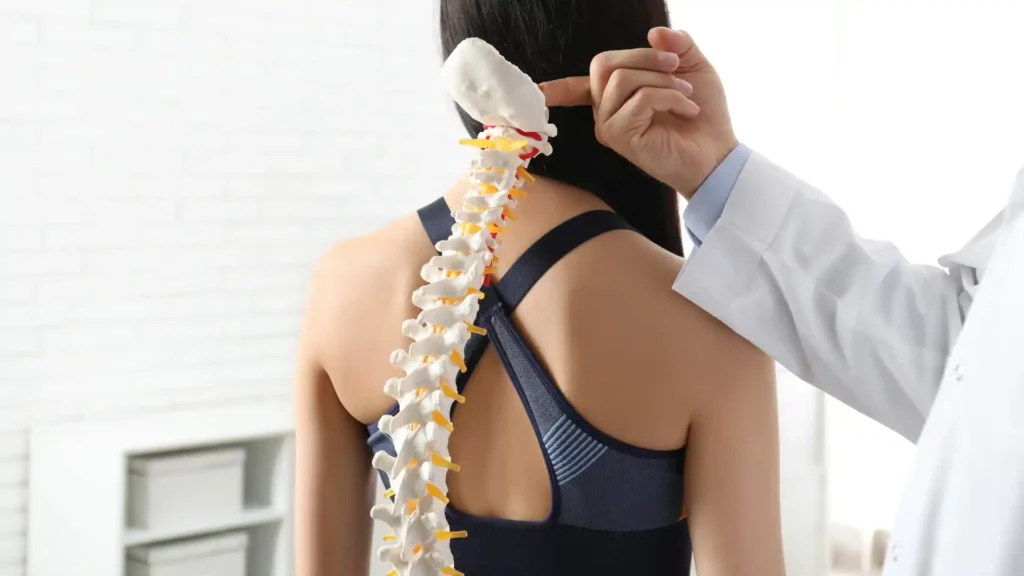
During the consultation, the patient’s eating habits, genetic predispositions, and living choices are all carefully looked at to get a full picture of their health. The multidisciplinary staff at Ways2Well works together to make individualized plans that include ideas for physical therapy, medication changes, diet plans and HRT. Along with treating osteoporosis symptoms, this patient-centered method aims to improve bone health and quality of life in general.