
There are two main sources of stem cells. The placenta and umbilical cord are commonly used. These invaluable biological materials greatly change treatments for a wide range of medical conditions. They offer outstanding therapeutic opportunities. However, comparing placenta stem cells vs umbilical cord stem cells answers the question of which source holds the most promise. Let’s explore the major differences and benefits of placenta vs umbilical cord stem cells. Analyzing special applications of placenta stem cells vs umbilical cord will help you understand their role in innovative restorative care.
Placenta vs Umbilical Cord Stem Cells – Weighing the properties
Stem cells present the building blocks of life. They possess the remarkable ability to self-renew. These cells can also change into special kinds of cells. In the regenerative sector, they are gathered to repair tissues and treat diseases. Placenta and umbilical cord stem cells offer important outcomes. However, their unique characteristics set them apart in efficacy and accessibility. They are also applied in different applications.
Placenta Stem Cells – A Rich Source of Regeneration
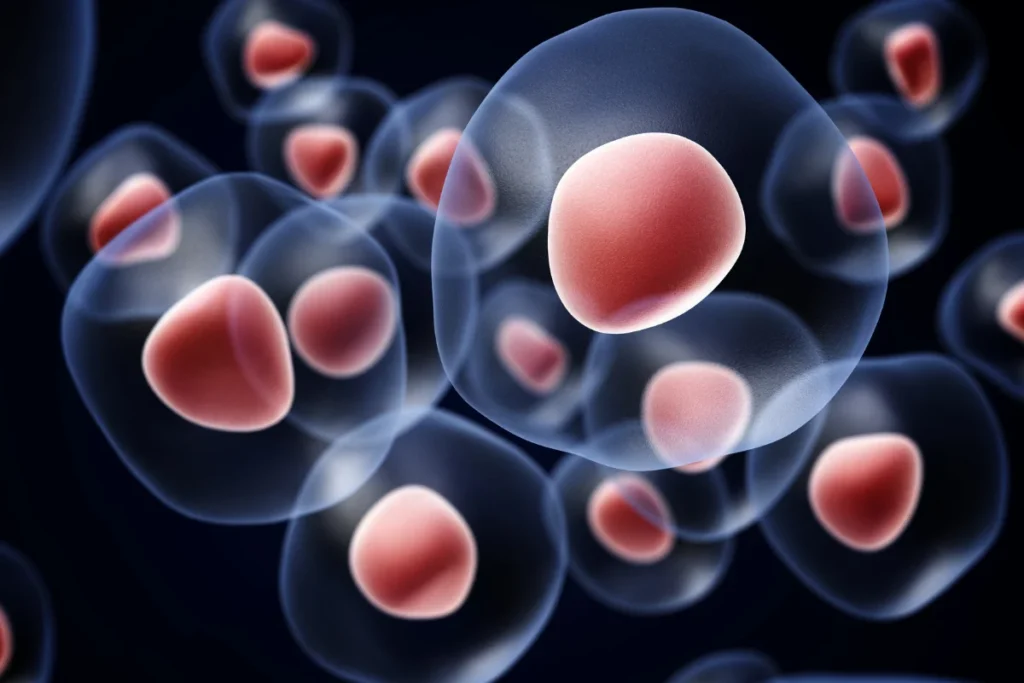
Following a healthy delivery, these cells are collected from the afterbirth. They contain mesenchymal stem cells (MSCs). These cells exhibit powerful abilities to combat inflammatory events and regenerate cells. A high proliferation rate constitutes one of the main advantages of placenta stem cells vs umbilical cord stem cells. Their ability to modulate immune responses effectively distinguishes them from others.
Benefits
1. Ability to Struggle with Inflammatory Processes
Placenta stem cells release bioactive factors. These small elements help lessen inflammation. They actively promote healing. So, they are effectively applied for the management of immune system disorders and ongoing inflammatory diseases.
2. Tissue Regeneration
These cells successfully repair damaged tissues. So, they have become a valuable option for orthopedic applications. Repairing cartilage and joints, cardiovascular and neurological treatments effectively use placenta stem cells.
3. Low Immunogenicity
These cells are less likely to trigger immune rejection. This property makes them ideal for allogeneic therapies. Using these cells ensures better integration with the recipient’s body.
4. Wound Healing
Placental stem cells support skin repair. They stimulate collagen production and cellular regeneration. In such a way, these cells speed up the healing of wounds. These abilities contribute to anti-aging therapies.
5. Neurological Support
These cells support the regeneration of the nerves. They greatly reduce inflammatory events in the nervous system. So, these stem cells have shown outstanding possibilities in treating neurodegenerative diseases.
6. Flexibility in Collection
Comparing placenta vs umbilical cord stem cells, the former can be collected even after birth. This property provides a more flexible collection window. It increases their accessibility for medical use.
Umbilical Cord Stem Cells – A Powerful Option
Shortly after birth, umbilical cord stem cells are taken out from the umbilical cord blood. Wharton’s jelly can also be used to obtain these cells. Hematopoietic stem cells (HSCs) and mesenchymal stem cells (MSCs) exist in these cells in large amounts. They are necessary for the immune system and tissues. These cells are also applied for blood cell regeneration. The remarkable capacity for conversion of cord blood stem cells differs them from placenta stem cells.
Benefits
1. Hematopoietic Regeneration
Umbilical cord blood has become a major source of HSCs. These specific cells demonstrate effective treatment of blood disorders and other hematological conditions.
2. Fast Differentiation
These stem cells can rapidly change into different kinds of cells. Bone, cartilage, muscle, and nerve cells can be restored by these cells. This property makes them highly effective for regenerative applications in many medical fields.
3. Gentle Collection
Harvesting these stem cells is non-invasive and ethical. This procedure avoids the need for invasive procedures. It also doesn’t harm the mother or baby.
4. Lower Probability of GVHD
Umbilical cord-derived stem cells have a lower probability of causing rejection of the defense system in transplant recipients. This makes them an excellent option for people after stem cell transplants.
5. Support for Disorders of the Nervous System
These cells have shown promising results in the treatment of multiple sclerosis and cerebral palsy. The cells demonstrate the capability to modulate responses of the immune system and promote neural repair.
6. Opportunities for Regeneration of Tissues
These stem cells have been explored in experimental therapies for regenerating damaged organs. This research covers restoring the function of the liver and kidneys. Such possibilities offer new hope for people with ongoing organ failure.
Placenta Stem Cells vs Umbilical Cord – Conducting Comparison
Analyzing placenta vs umbilical cord stem cells requires taking into account some factors. They include potency and clinical applications. Also, general effectiveness in the regenerative sector must be discovered.
Cell Power
Stem cells from the placenta show a higher rate of proliferation. They feature an extended longevity in culture. These properties make them advantageous for long-term therapeutic applications. Comparing placenta vs umbilical cord stem cells, the latter from Wharton’s jelly exhibits superior differentiation possibilities. So, these cells can regenerate different kinds of cells more efficiently.
Clinical Usages
Both kinds of stem cells are being utilized in a growing number of clinical applications across many medical areas. Their regenerative potential is unlocking new treatment possibilities for severe conditions.
1. Orthopedic Therapies
Placenta stem cells are used for cartilage repair and joint regeneration. With great efficiency, they manage osteoarthritis and tendon injuries.
Comparing placenta stem cells vs umbilical cord cells, the latter have becomean effective option in bone healing and fracture repair. Their ability to change into bone and cartilage cells rapidly can be used for managing musculoskeletal injuries.
2. Disorders of the Nervous System
The ability of placenta stem cells to combat inflammatory events provide possible treatments for stroke recovery.
Umbilical cord stem cells activate the regeneration of damaged nerves. So, these cells deliver the possibility of the treatment of cerebral palsy and spinal cord damage.
3. Conditions from Inflammation
Placenta stem cells presentan effective option in modulating the immune system. They can be effectively used for managing inflammatory bowel disease.
Umbilical cord stem cells are used in similar applications. However, they focus on reducing excessive immune responses. They also promote tissue repair in autoimmune disorders.
4. Heart Regeneration
Placenta stem cellsaid in the regeneration of damaged heart tissue after heart attacks. They improve blood flow in people with vascular diseases.
Umbilical cord stem cells enhance heart function. They repair damaged myocardium. These abilities make them valuable for people with heart diseases.
5. Dermatology
Placenta stem cellsare widely used in regenerative dermatology. Wound healing and anti-aging skin therapies demonstrate high efficiency with using these cells. Analyzing placenta stem cells vs umbilical cord, an efficient treatment option for persistent burns and ulcers comprises umbilical cord stem cells. These cells promote speed healing and reduce scarring.
Availability
Both placenta and umbilical cord stem cells are ethically sourced. They are collected post-birth. This procedure eliminates the ethical issues of embryonic stem cells. However, placenta stem cells can be gathered after the postnatal period. Comparing placenta vs umbilical cord stem cells, the latter provides a slightly more flexible collection timeline. Cord blood banking offers great possibility for prospective use.
Safety
Placenta stem cells demonstrate lower immunogenicity. This reduces the probability of rejection in transplant patients. Similarly, umbilical cord stem cells have lower GVHD threats. This property makes them a safe and effective option for regenerative treatments.

The Future of Regenerative Medicine with Ways2Well
Restorative medicine continues to evolve. That’s why innovative healthcare provider Ways2Well has become a leader in the charge of stem cell-based treatments. Ways2Well focuses on harnessing the power of placenta vs umbilical cord stem cells. The clinic conducts innovative medical courses for ongoing conditions and degeneration with aging.
Ways2Well realizes the latest advancements in the regenerative sector. So, the clinic offers stem cell treatments according to your needs. This ensures optimal outcomes. All stem cells used are ethically collected. They undergo rigorous quality control testing. To improve patient health and longevity, Ways2Well explores novel uses of placenta vs umbilical cord stem cells.
Stem Cell Source for You – What is the Best?
The choice between placenta stem cells vs umbilical cord stem cells generally depends on the purpose of the therapeutic application. Placenta stem cells excel in their ability to struggle with inflammatory events and efficiency in regenerative medicine. Umbilical cord stem cells shine in hematopoietic and neurological treatments. Both sources offer unique benefits. They make these cells indispensable in modern restorative therapies.
Ways2Well has become at the forefront of regenerative medicine. So, patients now have access to innovative stem cell treatments. These healing options enhance healing and combat disease. Research continues to uncover the full set of opportunities of placenta vs umbilical cord stem cells.Personal healthcare appears to have a brighter future than before.
You can look for stem cell therapy for a medical condition. Understanding placenta stem cells vs umbilical cord can become important for making a proper decision. Consult with a regenerative medicine specialist at Ways2Well to learn more about the right stem cell therapy for your needs.