
Numerous medical experts have talked and studied the link between HRT and kidney health. Researchers have found that HRT has complex and subtle effects on renal function, even though it is widely used to ease the symptoms of menopause and improve quality of life. Ethical data-based studies have not yet produced strong evidence to support the false belief that HRT directly causes kidney disease.
However, some groups may be at a higher risk, especially if they have kidney disease or other risk factors like diabetes or high blood pressure. Medical professionals must do thorough risk estimates and closely watch these people’s renal function. Knowing both the possible risks and benefits of hormone replacement treatment is important for making smart decisions about medication and keeping kidney function at its best.
Hormone Replacement Therapy: How it Works?
HRT has both positive and negative effects on health, but research into its long-term implications on kidney function and other health-related issues is still underway. One recent cohort study about hormone replacement therapy and kidney function, for example, emphasized the significance of timing and dosage in the administration of HRT, as these factors can have a major impact on results.

Starting HRT early, especially within ten years of the onset of menopause, may minimize side effects while providing more noticeable benefits for bone and cardiovascular health. In addition, to optimize hormone replacement therapy and kidney function, as well as to reduce risks, tailored approaches to HRT that take genetic, metabolic, and lifestyle factors into account are being investigated.
In order to maximize patient safety and therapeutic efficacy, ongoing monitoring and revised evidence-based guidelines will be crucial as the medical community moves toward a more complex and customized paradigm of HRT.
The Kidney: Functions and Health
To uphold systemic homeostasis our body needs kidney, a key organ that does a variety of things. Mainly used in blood filtration to get rid of waste and extra substances. This helps keep electrolyte balance and blood pressure under control through the renin-angiotensin-aldosterone system.
Furthermore, kidneys play a key role in erythropoiesis by producing erythropoietin, a hormone that makes red blood cells when oxygen levels drop. Beyond these tasks, the kidney is crucial for changing vitamin D into calcitriol, which is the active form that impacts bone health by keeping calcium and phosphate levels stable. When kidneys are not working properly, they can cause major health problems like acute kidney injury or chronic kidney disease.
Role of the Kidneys in the Body
The kidneys keep or release water to keep the body’s balance, so this function is especially important when there is too much or too little water in the body. Additionally, they help keep potassium and salt levels in check, which are necessary for nerves to send messages and muscles to contract.
In kidney disease, these control systems may not work properly, which can lead to illnesses like edema, high blood pressure, and unusual electrolytes. Being able to exactly control a number of physiological parameters is important for keeping the body stable and working properly.
Common Kidney Disorders:
Kidney disorders, among others, can harm a person’s health. It comprises Chronic Kidney Disease, kidney stones, and polycystic kidney disease. Kidney function declines with CKD. Diabetes and hypertension cause the body to retain water and waste, causing this. Genetic polycystic kidney disease tends to affect elderly persons. The kidneys may become too large to function correctly due to cyst growth.
On the other hand, kidney stones are hard mineral and salt deposits. They can cause excruciating pain and other issues if avoided. Patient must grasp these diseases’ causes, symptoms, and treatments to make sensible medical choices and avoid consequences that will make their conditions simpler to manage.
HRT and Kidney Function: The Connection
Research has shown that estrogen, an important hormone given during hormone replacement treatment, protects the vascular endothelium and may lower the risk of high blood pressure, which is often the first sign of kidney damage.

Although the pros and cons of HRT on kidney function may be different for each patient and depend on their underlying health problems, some studies have linked the treatment to a higher chance of nephrolithiasis or renal cell cancer.
Further study is needed to clearly define the connection between HRT and kidney function so that treatment choices can be made that improve patient outcomes while lowering renal problems.
Physiological Effects of Hormones on Kidneys
Being able to balance chemicals and water in the body depends on aldosterone. Distal tubules are affected by mineralocorticoid hormone, which is made by the adrenal gland. For cells to take in and get rid of potassium ions and receive sodium, aldosterone turns on mineralocorticoid receptors. While water is being reabsorbed, salt is being held on to. This evens out blood pressure and the amount of extracellular fluid in the body.
Changes in the hormone aldosterone can cause hyperaldosteronism or hypoaldosteronism, which means high potassium and low blood pressure. In order to find and fix problems with the kidneys and adrenal glands, endocrinologists need to know how aldosterone impacts them.
Can HRT Cause Kidney Problems?
Answering the question “can hrt cause kidney problems?” it is mandatory to think about how HRT might affect the homeostasis. HRT may hurt the kidneys, especially in people who already have kidney diseases, according to a new study. Some research suggests that treating estrogen may change the way the kidneys work and the rate at which they filter blood, which can make renal failure worse.
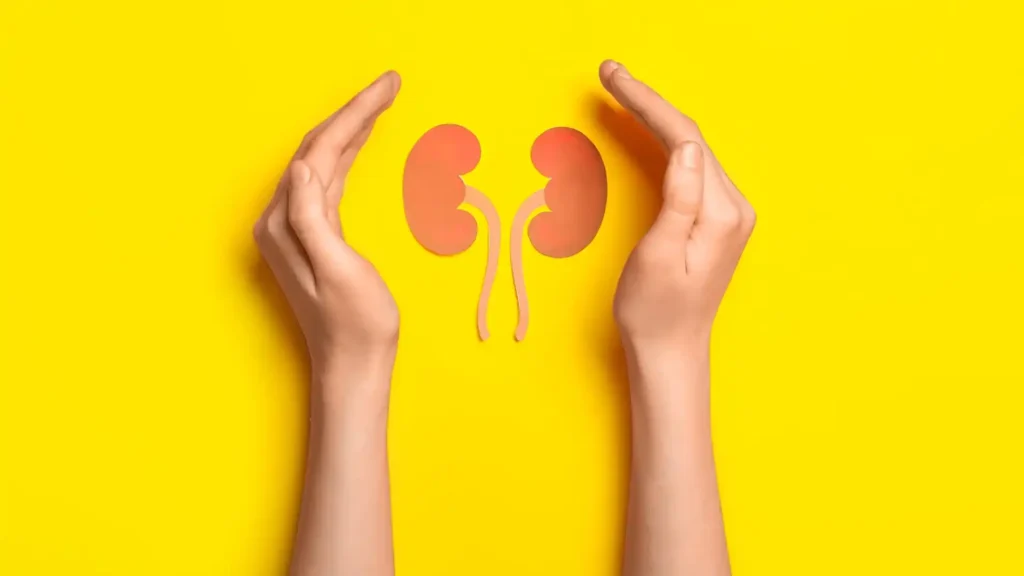
Chronic kidneys disease may get worse faster because estrogen causes inflammation, especially in women who have gone through menopause. HRT is helpful for many people, but doctors should carefully check administered hormone replacement therapy and kidney function of a patient, keeping an eye on levels linked to the kidneys hormones while they are on treatment. Thus, more side affects will be avoided.
The Myths vs. The Facts
Medical professionals and health fans alike have had a hard time understanding HRT for a long time because of long-standing myths and mistakes. Misconception: HRT greatly increases the chance of getting breast cancer. Concerns and resistance among potential users have been raised by this. Although, a more in-depth look at the clinical data reveals that the complicated link between HRT and breast cancer is more than meets the eye.

For some studies, long-term use may slightly raise the chance of osteoporosis, but for others, the benefits may outweigh the risks, especially when HRT is started at the start of menopause and helps with menopause symptoms and prevents osteoporosis. One more common misconception is that HRT only helps with easing the signs of menopause.
HRT actually has more uses, like preventing heart disease and improving the quality of life for women who have gone through menopause. Comprehensive risk-benefit studies and personalized medical advice based on each person’s unique health profile are needed because of these results. The use of evidence-based knowledge to dispel these beliefs is therefore necessary for making smart choices and improving patient outcomes.
Preventative Measures and Kidney Health Monitoring
HRT is often the subject of debate because there are many false beliefs that challenge its therapeutic value and safety. This is because a common belief says that HRT always raises the chance of heart disease and breast cancer, kidney malfunctions, which keeps many people from considering it. Many false beliefs about HRT have been busted by strong scientific proof that reveals the risks are more complicated and depend on the individual situation.
Several things affect the risk-benefit profile of hormone replacement therapy and kidney function, such as the type of hormone used, the length of treatment, and the age at which therapy commences, according to research. Although not widely believed, HRT has many benefits, especially for women who are having problems after menopause.
These benefits include fewer vasomotor complaints, lower risk of osteoporosis, and better quality of life. HRT must be tailored to each patient by doctors who follow suggestions based on proof. In this way, the use of HRT in women’s health is approached with understanding and nuance.
Final Thoughts and Recommendations
Basically, hormones are very important for keeping the kidneys healthy and the body in balance. Hormones like aldosterone, ADH, PTH, and natriuretic peptides help keep the system perfectly in balance. An in-depth knowledge of these pathways is needed for accurate diagnosis and treatment, because hormones combine in complicated ways and have effects on many kidney and body illnesses.
For HRT, doctors and nurses have to navigate a complicated world of possible benefits and risks. Can HRT cause kidney problems? Health concerns about the kidneys should be carefully thought through when considering HRT, even though it can greatly improve the quality of life for postmenopausal women, especially when it comes to treating menopause symptoms and avoiding osteoporosis. Patients who already have problems with their kidneys need to be closely watched to minimise any negative effects.