
Men starting testosterone replacement therapy often have the same question: what does this do to my blood pressure and my heart? It’s a fair concern – and for a long time, the answer from medical authorities was murky enough to make both patients and physicians hesitant.
The evidence has matured. Properly supervised TRT in men with confirmed low testosterone does not carry the broad cardiovascular danger once suggested – but that doesn’t mean zero monitoring. Understanding what actually drives the risk, who needs closer attention, and what the latest science says is the starting point for making an informed decision.
How Testosterone Affects Blood Pressure
This relationship isn’t one-directional – testosterone influences the cardiovascular system in more than one way, and these effects can push in different directions.
Vascular tone: Testosterone at physiological levels supports healthy vascular function. It promotes nitric oxide production, which relaxes blood vessel walls and helps keep blood pressure in a normal range.
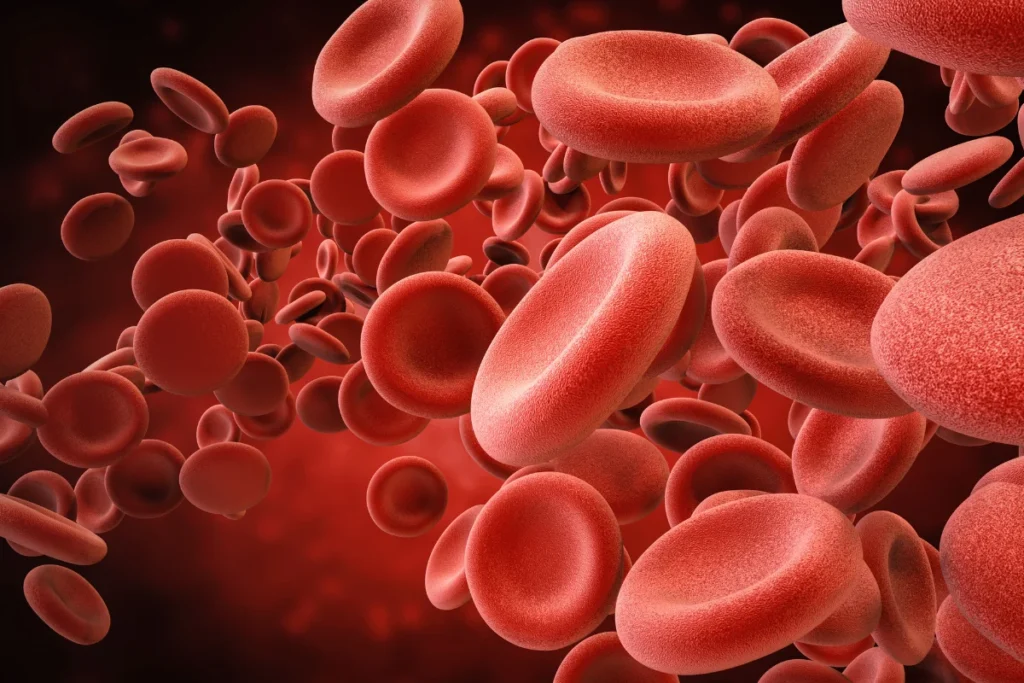
Hematocrit elevation: TRT stimulates red blood cell production. As hematocrit rises – the proportion of red cells in whole blood – blood becomes more viscous. Thicker blood requires more force to circulate, which can raise blood pressure in susceptible individuals, particularly at higher doses or in men who are already at the upper end of normal hematocrit.
Estrogen conversion: A portion of testosterone converts to estradiol through aromatization. Estradiol has its own cardioprotective role, which is why maintaining estrogen balance is part of a well-designed TRT protocol – not just about side effects like water retention, but about the overall cardiovascular picture.
These dynamics mean individual responses vary. Most men on appropriately dosed, supervised therapy see minimal blood pressure impact. But responses aren’t uniform, which is why monitoring is built into the standard of care.
What the Evidence Shows
The cardiovascular safety of TRT has been studied more rigorously in recent years than at any prior point. The TRAVERSE trial – a large randomized controlled trial of over 5,000 men, many with pre-existing cardiovascular risk factors – compared TRT directly against placebo and tracked major cardiovascular outcomes over time.
The result: no significant increase in heart attack, stroke, or cardiovascular death with testosterone therapy. For a high-risk population, this finding carries real weight.
The same trial identified modestly elevated rates of atrial fibrillation and venous thromboembolism (blood clots) in the TRT group – findings that inform monitoring protocols but don’t change the overall picture of safety for most men.
A separate meta-analysis pooling data from 30 randomized controlled trials reinforced this: properly administered TRT, at physiological doses with physician oversight, does not significantly increase major cardiovascular event risk.
In early 2025, the FDA updated testosterone product labeling to reflect this body of evidence – removing the Black Box Warning about cardiovascular risk that had been attached to testosterone products for years. Blood pressure monitoring requirements remain in place.
What This Means for You
Monitoring replaces avoidance. For men with confirmed hypogonadism, the right response to cardiovascular questions isn’t declining treatment – it’s ensuring the monitoring is in place. Blood pressure, hematocrit, and cardiovascular status are all trackable.
Hematocrit is the variable to watch. Most of the blood pressure effect associated with TRT comes from red blood cell elevation, not from testosterone directly. Routine labs that include a complete blood count will flag this before it becomes clinically significant.
Dose matters enormously. The cardiovascular data on anabolic steroid use – supraphysiological doses far above normal physiological range – documents real risks: hypertension, cardiac remodeling, clotting changes. This is a fundamentally different scenario from medically supervised TRT targeting normal testosterone levels. The two should not be conflated.
Hypertension doesn’t automatically disqualify a patient. Men with elevated blood pressure may still be good candidates for TRT – but they need a thorough pre-treatment evaluation and consistent monitoring throughout.
Who Needs the Most Attention
Not everyone carries equal cardiovascular risk on TRT. Men who warrant closer monitoring during treatment include:
- Those with hypertension that is not well-controlled before starting treatment
- Men with a history of atrial fibrillation or known risk factors for it
- Anyone with a pre-treatment hematocrit that is already elevated
- Men with a personal or family history of blood clots or pulmonary embolism
For these individuals, TRT isn’t ruled out by default – but the evaluation before starting needs to be comprehensive, and follow-up needs to be more frequent.
Frequently Asked Questions
Does testosterone raise blood pressure?
TRT can modestly raise blood pressure in some men, primarily through increased hematocrit and blood viscosity rather than a direct pressor effect. At physiological doses with appropriate monitoring, this is generally manageable. Regular blood pressure checks are a standard part of any well-run TRT protocol.
Is testosterone therapy safe for men with high blood pressure?
Men with hypertension are not automatically excluded from testosterone therapy and blood pressure concerns can be managed with proper oversight. The key factors are how well blood pressure is controlled before treatment begins and whether the overall cardiovascular risk profile has been fully evaluated.
What did the TRAVERSE trial show about TRT and heart safety?
The TRAVERSE trial followed over 5,000 men – including those with pre-existing cardiovascular risk – and found no significant increase in major cardiovascular events (heart attack, stroke, cardiovascular death) compared to placebo. Slightly elevated rates of atrial fibrillation and blood clots were observed and are incorporated into monitoring guidelines.
How is anabolic steroid use different from TRT in terms of heart risk?
Anabolic steroids used at supraphysiological doses carry well-documented cardiovascular risks: elevated blood pressure, left ventricular hypertrophy, and increased clotting. Medically supervised TRT that targets normal physiological testosterone levels has a materially different risk profile. These are not comparable scenarios.
Did the FDA change its warnings about testosterone and cardiovascular risk?
In early 2025, the FDA removed the Black Box Warning about cardiovascular risk from testosterone product labeling, reflecting the updated evidence from large-scale clinical trials including TRAVERSE. Blood pressure monitoring requirements were retained.
Key Takeaways
- TRT and blood pressure: hematocrit elevation is the primary driver – routine bloodwork catches this early, which is why it’s standard in every well-managed protocol
- Major cardiovascular events: large randomized trial data, including TRAVERSE (5,000+ men), shows no significant increase in heart attack, stroke, or cardiovascular death with properly supervised TRT
- High testosterone and blood pressure: men with hypertension can still be TRT candidates – evaluation and monitoring determine appropriateness, not automatic exclusion
- 2025 FDA update: Black Box Warning on cardiovascular risk removed; monitoring requirements remain
- Supraphysiological testosterone (anabolic steroids, excessive dosing) carries a completely different risk profile than physiological-range TRT – the research on each applies separately
Talk to a Ways2Well Physician About TRT and Cardiovascular Health
If you’re weighing TRT and want to understand what it means for your cardiovascular health – or if you already have elevated blood pressure and aren’t sure whether testosterone therapy is appropriate – schedule a consultation with Ways2Well. Explore how hormone optimization at Ways2Well works.
References
1. Lincoff AM et al. “Cardiovascular Safety of Testosterone-Replacement Therapy.” New England Journal of Medicine (2023). DOI: 10.1056/NEJMoa2215025
2. “Long Term Cardiovascular Safety of Testosterone Therapy: A Review of the TRAVERSE Study.” PMC (2025). PMC11937349
3. “Association between testosterone replacement therapy and cardiovascular outcomes: A meta-analysis of 30 randomized controlled trials.” ScienceDirect (2024). DOI: 10.1016/j.psyneuen.2024.107023 4. U.S. Food and Drug Administration. “FDA Issues Class-Wide Labeling Changes for Testosterone Products.” (February 28, 2025). fda.gov
Author: Ways2Well Editorial Team
Reviewed by: Scientific Advisory Board member