
Stem cell research and therapy are now central to the progress of medical science. The advancements in this area provide hope for addressing long-lasting illnesses and injuries. They propose a novel approach to age-related ailments.
However, the legal framework for stem cells in the United States has become complex and often debated. Let’s elucidate “Is stem cell therapy legal in US”.
The FDA has approved certain stem cell treatments for specific conditions like blood disorders. However, not all stem cell treatments are proven to be safe or effective.
We’ll explore insights into existing regulations and ethical considerations. Prospects in this groundbreaking field arose a great interest.
Ethical and Legal Controversies
Stem cell therapy has ignited considerable ethical and legal debates in the United States. These arise mainly from its potential to revolutionize medical treatments alongside moral dilemmas particularly associated with using specific types of stem cells. The controversies frequently focus on matters concerning human life, autonomy, and scientific advancement.
Utilizing Embryos Stem Cell
The use of embryo stem cells has become a hotly contested topic in embryonic stem cell research. These cells feature the possibility of being modified into any kind of cell. This property presents significant benefits for regenerative medicine. However, obtaining these cells usually results in the destruction of the embryo. This process poses substantial ethical concerns and moral implications.
Researchers often discuss the implications of the question, “Are stem cells legal in US,” given the ethical debates surrounding the topic. Opponents of using these stem cells typically view the issue from a pro-life stance. They assert that embryos are human beings with intrinsic moral worth and rights. Proponents of stem cell research concentrate on the possible medical advancements. They propose to use embryos from surplus IVF procedures.
Consent and Autonomy
Ethical concerns about consent emerge in research with the usage of donor embryos and fetal tissue. Proper consent from donors must be obtained. Special attention must be given to women undergoing IVF treatment and those donating fetal tissue for research. The informed consent procedures must be clear and accurate. This process must prevent any form of exploitation and coercion.
Stem cell therapies with cloning and genetic modification raise concerns about possibly infringing on reproductive autonomy and the possibility of creating “designer babies”.
Unproven Treatments
Stem cell therapy shows great potential. However, many treatments remain in the experimental stage. Their safety and effectiveness are not yet fully established. In the U.S., the FDA oversees stem cell products to guarantee their safety and efficacy. However, some clinics can provide unapproved stem cell therapies. Such treatments pose substantial risks and can result in legal complications.
There have been some cases. Unlicensed and unethical practitioners provide stem cell treatments without proper scientific support. Patients can be deceived regarding the effectiveness and safety of these therapies. This can lead to harm. In these situations, legal actions for malpractice and negligence can be pursued.
Regulatory Monitoring
The FDA determines strict regulations for the use of stem cells in clinical tests and treatments. They must undergo extensive testing and approval processes. These actions verify their safety and efficacy. However, the regulatory process is often slow. So, patients cannot receive possible life-saving treatments quickly.
Some private stem cell clinics in the U.S. offer treatments sometimes without FDA approval. This has sparked legal and ethical concerns. These clinics often advertise unverified treatments for different conditions without approved stem cell therapies. Insufficient oversight and regulation can leave patients vulnerable to ineffective and dangerous treatments in some regions.
Research on Genetic Modification
The possible use of stem cells for human cloning and genetic modification presents significant ethical issues. Some scientists have considered the idea of genetically modifying humans to treat medical conditions in embryos. The ethics of human improvement and its effects on future generations have become significant issues. Stem cells for genetic engineering can be used to create babies with desired traits. This direction of the application of stem cells has sparked concerns about the ethical limits of scientific intervention.
Impact on Genetic Disorders
The possible application of stem cells to treat and cure genetic disorders prompts a discussion about disability rights and societal perspectives on disability. Some advocates express concern about the perpetuation of stigma against those with disabilities. However, some others view this as a way to improve health outcomes and increase opportunities.
Concerns have been raised regarding the accessibility of stem cell treatments for all populations. Healthcare equity issues arise for expensive treatments and their availability only to wealthier individuals. This can worsen existing health disparities.
Financial Issues
The commercialization of stem cell therapies has sparked concerns. The drive for profit can overshadow patient well-being. This business approach can result in an emphasis on profitable treatments. In such cases, patient safety and long-term benefits cannot be guaranteed. In some situations, stem cell products are aggressively marketed without adequate clinical evidence. This treatment can become dangerous for patients and lead to unethical business practices.
Tissue Exploitation
Stem cell therapy often depends on tissue donations from the bone marrow and umbilical cord blood of the people. This raises ethical issues about the possible exploitation of donors. They cannot be properly informed about the associated risks and benefits. The process of obtaining stem cells must ensure transparency and respect for donor rights.
In the U.S., stem cell therapy has appeared at the center of ethical and legal discussions. They are closely linked to concerns about human dignity, scientific advancement, and patient safety. Navigating this landscape requires carefully balancing innovation with moral considerations. This process remains a constant challenge. Legal frameworks need to adapt in order to guarantee that stem cell therapies are not only effective but also ethically responsible. Achieving this balance is crucial for sustaining public confidence as regenerative medicine continues to progress rapidly.
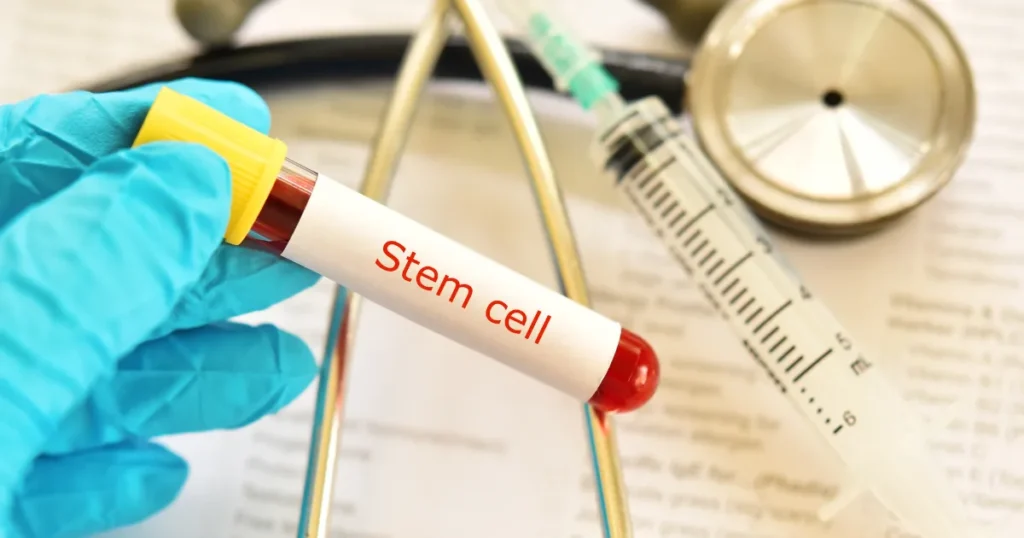
Can You Get Stem Cell Therapy in the US?
Patients researching innovative therapies often wonder, “Are stem cells legal in US?“, before seeking treatment. Indeed, stem cell therapy has become accessible in the U.S. However, legality and accessibility need to be taken into account. Let’s seek a detailed answer to the query, “Are stem cells legal in the US?“
Approved Stem Cell Treatments
The FDA has given approval to specific stem cell therapy legal in US. These treatment options mainly target hematologic conditions – specific forms of leukemia and lymphoma. These treatments utilize bone marrow and umbilical cord blood stem cells. After undergoing extensive clinical tests, these therapies demonstrate safe and effective options for addressed conditions.
Some cell therapies remain in the experimental stage. Researchers carry out clinical tests to assess their safety and effectiveness for different diseases and conditions. Participating patients in a clinical trial gain access to advanced stem cell treatments within a controlled setting.
Regulatory Oversight
The FDA oversees the regulation of stem cell-based products. This supervision guarantees the adherence to safety standards. To be available on the market, a stem cell therapy legal in US must undergo an approval process by the FDA. This process involves complex testing and clinical tests.
In the U.S., some clinics propose stem cell treatments for spinal cord injuries and other illnesses. However, many of these facilities cannot have FDA approval. They can offer therapies with a lack of robust scientific support. The FDA has warned some such clinics about offering unapproved and unverified stem cell treatments.
Unapproved Stem Cell Treatments
Many patients pursue stem cell therapies beyond the scope of clinical trials at private clinics. These treatments can be costly. They often lack scientific validation. Although some clinics propose promising options, unapproved stem cell therapies carry risks such as infection, tumor development, and other potential complications. The FDA has established specific regulations for stem cell therapy legal in US, and any unapproved treatments failing to meet these standards may be illegal, potentially endangering patients.
Where to Access Stem Cell Therapy
Approved stem cell therapy legal in US can be accessed at hospitals and medical centers with a specialization in blood cancers and related conditions. You can find clinical trials for stem cell therapies at academic institutions and research hospitals.
For patients with joint pain and neurological conditions, many private clinics across the U.S. provide these therapies. However, you are recommended to be cautious about a lack of regulatory oversight in some instances.
To ensure safety and effectiveness, you need to consult healthcare professionals and thoroughly research clinic credentials and treatment options.
The Prospects for US Stem Cell Therapy
Advances in induced pluripotent stem cells and other non-controversial techniques may help get around moral dilemmas while expanding treatment options.Enhanced regulatory clarity and public education are essential to ensure that patients access safe and effective treatments.
In the United States, the legal framework for stem cells is a complex mix of federal and state laws shaped by ongoing ethical discussions and scientific progress. Understanding the intricate legal and regulatory environment requires careful attention despite their undeniable therapeutic potential. By promoting ethical standards and thorough oversight, America can maintain its leadership in developing groundbreaking stem cell therapies that enhance people’s lives.