
Many patients dealing with pain, stiffness, or injury recovery start looking at more than one kind of care. That is why interest in stem cells and chiropractors has grown. People want to know whether these approaches work together, whether they serve different purposes, and how to make smart decisions without wasting time.
This topic deserves a careful answer. Chiropractic care and regenerative medicine are not the same thing. They are built around different tools, different goals, and different types of providers. Even so, some patients may explore both as part of a broader musculoskeletal care plan.
Let’s look at stem cells and chiropractors in a simple, practical way.
Why People Connect These Two Approaches
Most people who search for stem cells and chiropractors are dealing with a physical problem. It may be back pain, joint pain, reduced range of motion, a sports injury, or a long recovery after wear and tear.
In that situation, patients are often trying to answer a few basic questions:
Can chiropractic care help with movement and function?
Can regenerative medicine support tissue healing?
Do I need one or both?
Some even search for phrases like “chiropractor and stem cell physcians” because they are trying to figure out which type of provider handles which part of care.
That confusion is understandable, because the goals may overlap around pain and function even when the methods do not.
Chiropractic Care and Stem Cell Therapy Have Different Roles
The most important thing to understand is that chiropractic care and stem cell procedures are not interchangeable.
Chiropractic care is generally focused on the musculoskeletal system, movement patterns, alignment, joint function, and symptom relief. A chiropractor may work on mobility, soft tissue tension, posture, recovery habits, and overall function depending on training, scope, and the patient’s needs.
Stem cell therapy, by contrast, is part of regenerative medicine. It is usually discussed in relation to tissue repair, inflammation, joint support, or recovery from certain orthopedic issues. It involves a medical evaluation, treatment planning, and appropriate procedural oversight.
That means stem cells and chiropractors may sometimes appear in the same patient journey, but they are not doing the same job.
When a Combined Care Plan May Make Sense
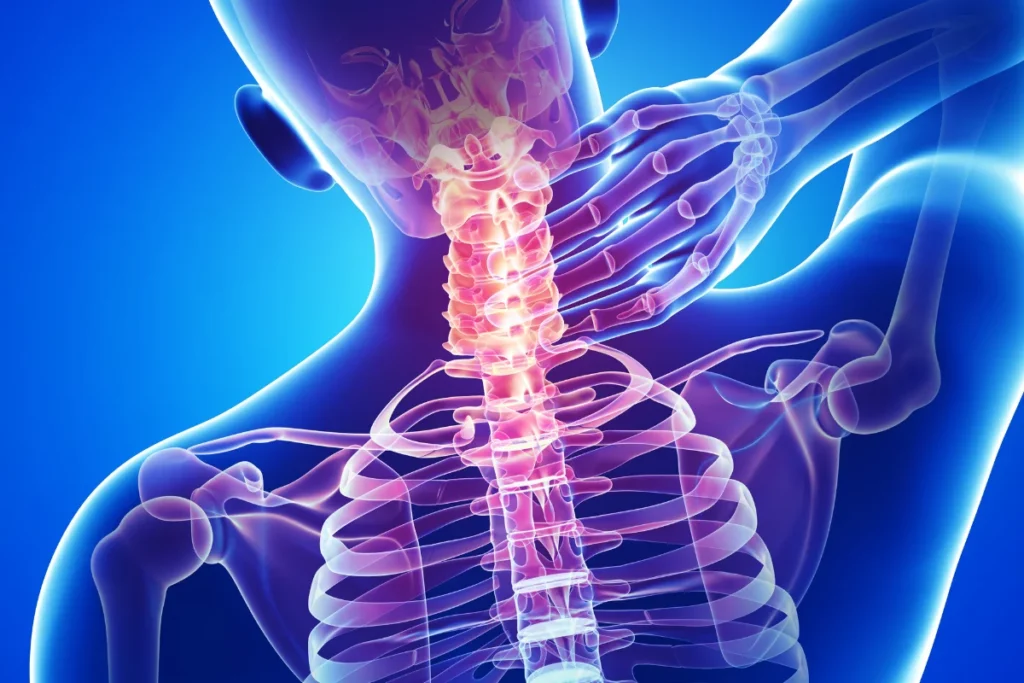
Some patients may benefit from a more layered approach to recovery. For example, a person with chronic joint irritation may need help improving movement mechanics while also exploring options that support the healing environment around the affected tissue.
In that kind of case, chiropractic care may help with mobility, compensation patterns, and day-to-day function. Regenerative care may be considered separately as part of a physician-led treatment plan.
The key idea is coordination. A good plan should not be built from random appointments that do not connect to each other. It should be based on diagnosis, severity, imaging when needed, activity level, and realistic goals.
That is one reason people often start with a broader review of symptoms, inflammation, and recovery markers through comprehensive blood work or a full consultation process instead of jumping straight into treatment.
Questions Patients Should Ask
If you are comparing stem cells and chiropractors, a few questions can make the path clearer.
What is the actual diagnosis?
Are you dealing with joint dysfunction, tendon irritation, arthritis, instability, or something else?
Is the main goal pain relief, improved mobility, tissue support, or a combination of these?
Which parts of your plan are focused on movement and function, and which parts are medical procedures?
Are all providers involved communicating clearly about what they are responsible for?
These questions matter because a coordinated plan is always stronger than piecing together care based on internet hype.
Be Careful With Overly Broad Claims
This is also a topic where patients should stay cautious. Regenerative medicine can sound exciting, and chiropractic care is widely used for musculoskeletal concerns, but neither should be treated like a magic fix.
Not every pain issue is a good fit for stem cell therapy. Not every structural complaint improves with chiropractic care alone. And not every clinic offering a broad wellness menu is building treatment around a careful diagnosis.
Scope of practice can also vary by state and by provider training. That is another reason patients should ask who is performing which service, how the diagnosis was made, and what evidence supports the recommendation.
If you are interested in regenerative options specifically, Ways2Well provides information about stem cell therapy and patient-centered planning for people exploring advanced wellness and recovery support.
What a Smarter Recovery Plan Looks Like

A strong plan usually starts with understanding the cause of the problem. Once that is clear, treatment can be organized around the right priorities.
For some people, the best next step is conservative care, mobility work, and time. For others, imaging, injections, or regenerative medicine may become part of the discussion. The point is not to combine services just because they sound complementary. The point is to match care to the actual issue.
That practical mindset helps patients avoid unnecessary procedures while still staying open to therapies that may fit their situation.
Conclusion
Stem cells and chiropractors can both be part of conversations about pain, function, and recovery, but they are not the same kind of treatment. Chiropractic care generally focuses on movement and musculoskeletal function. Stem cell therapy is part of regenerative medicine and should be considered within a medical treatment plan.
If you want help understanding which approach makes sense for your symptoms, you can start with Ways2Well and schedule a consultation to talk through the right next steps.
Author: Ways2Well Editorial Team
Reviewed by: Scientific Advisory Board member