
In biology, stem cells are an intriguing subject. They have enormous promise for regeneration, genetic research, and medicine. Totipotent or omnipotent stem cells are especially important. Any sort of cell in the human body can develop from them. This ability creates new opportunities. It might offer individualized therapies and help heal wounds.
Totipotent Stem Cell Research
These stem cells have the greatest versatility. They form right after fertilization. They can develop into any cell type, including those in extraembryonic tissues like the placenta. Their ability to create entire organisms has given them the nickname “omnipotent.”
Omnipotent and Pluripotent Stem Cells: Important Distinctions
These cells refer to different concepts. They describe different abilities in stem cells. After an embryo reaches the totipotency stage, it develops pluripotent stem cells. The induced iPSCs can also be produced in laboratories. Pluripotent cells in the human body can differentiate into nearly all cell types. However, they cannot form extraembryonic tissues. This means they cannot form a complete organism on their own. On the other hand, omnipotent cells possess an additional capability: they can generate not only all bodily cell types but also create placental and supportive tissues necessary for entire organism development, thus offering greater versatility.
Applications of Omnipotent Stem Cells in Medicine
The distinct characteristics of these cells render them extremely valuable across numerous medical and scientific domains. Some of the most promising uses are listed below.
Medical Tissue Engineering and Regeneration
Omnipotent stem cells are the source of regenerative medicine. Repairing damaged tissues and organs is possible with these cells. They have the ability to repair wounded organs’ cells. This may help treat heart disease, liver failure, and kidney problems. Research is focused on creating tissue scaffolds with these stem cells. The objective is to cultivate organs for transplantation in a laboratory. This development may contribute to the existing organ donor shortage.
Gene Therapy and Genetic Research
Because omnipotent stem cells can transform into any cell type, they provide an excellent foundation for gene therapy research. Researchers are able to introduce corrected versions of genes into these cells to explore the treatment of genetic disorders or assess how alterations in genes impact cellular behavior.
Stem cells with omnipotent capabilities might be used to replace defective cells in patients suffering from genetic diseases. They might provide a remedy through the introduction of functional, healthy cells with the altered genetic material.
Addressing Cognitive Disorders
It’s challenging to treat neurological disorders. These conditions are challenging because nerve cells and brain tissues are complex. Omnipotent stem cells offer hope. They can be turned into neurons and other supportive cells. This could help mend damaged neural networks or reconstruct portions of the brain and spinal cord.

Omnipotent Stem Cell Utilization: Technical and Ethical Challenges
Stem cells have great potential but face challenges. There are ethical concerns about using them. They are often taken from early embryos, which are then discarded. This has sparked moral debates. Another choice is induced pluripotent stem cells. To create them, mature cells are modified to behave like stem cells. As a result, iPSCs are becoming more popular. This method eliminates the need for embryos.
Controlling the differentiation of omnipotent stem cells presents technical difficulties. It is crucial to accurately direct these cells to develop into specific cell types, as mistakes could cause inadvertent tissue growth and heighten the risk of tumors or other complications. Additional research is required to develop safe and dependable techniques for incorporating totipotent cells into clinical practice.
Omnipotent Stem Cells’ Future
The potential applications of these cells are constantly growing according to a result of technological breakthroughs. Here are some of the exciting directions this research might pursue.
3D Bioprinting with Omnipotent Stem Cells
Scientists are investigating methods to integrate these cells with 3D bioprinting technologies for constructing tissues and organs layer by layer. This innovation could transform transplant medicine and pave the way for creating personalized organs.
Personalized Medicine
The future of omnipotent stem cells in medicine looks bright. These cells could change how therapies are made and given. Personalized medicine aims to create treatments for each person. It considers their lifestyle, cell types, and genes. Totipotent stem cells could greatly help advance this field.
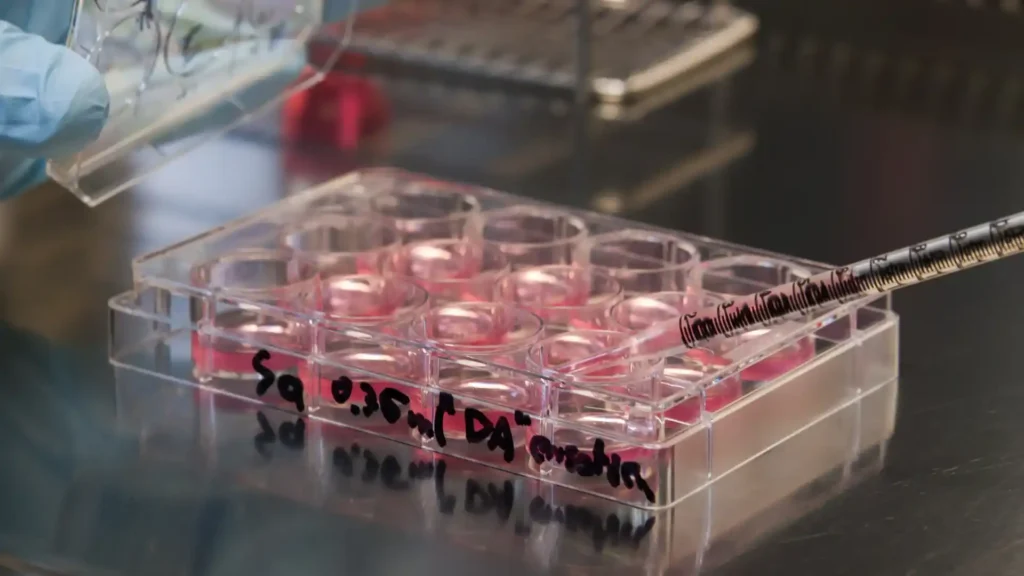
1. Creating Patient-Specific Cell Lines for Tailored Therapies
Stem cells with omnipotent capabilities can potentially be obtained from a patient’s own cells using advanced reprogramming methods. Medical practitioners may be able to use patient-specific stem cells to create any sort of tissue that is required, including pancreas, cardiac, muscle, or nerve tissues that precisely fit the recipient.
This approach can lead to safer and more effective treatments, lowering the danger of immunological rejection, a common side effect of transplantation. and other cell-based therapies.
2. Personalized Organ Regeneration and Transplantation
It may eventually be possible to design whole organs that are completely compatible with a patient’s body thanks to the power of omnipotent stem cells. Examples of lab-grown organs customized to a patient’s genetic profile may one day be given to those with severe liver disease or kidney failure. This would remove the necessity for donor organs and decrease transplant wait times significantly.
These cells could be used to manufacture intricate and useful organs that are customized to each person’s particular anatomy and medical needs as 3D bioprinting technology develops.
3. Precision Treatment for Genetic Conditions
Stem cells with limitless potential help model genetic diseases accurately. They create patient-specific cells with the exact genetic mutations or deficiencies. Researchers use these models to test treatments and fix genetic errors. They also help create targeted therapies. For example, stem cells from a patient with a rare genetic condition can be modified to fix the mutation. This process could replace damaged cells with healthy ones. These new cells would be disease-free and match the patient’s genetics.
4. Customized Drug Screening and Development
“Disease-in-a-dish” models can be made with the aid of all-powerful stem cells. Scientists may test a variety of medications on a patient’s own cells thanks to these models. This shows how the patient’s body might react to specific treatments. It also helps doctors pick the most effective medicines with fewer side effects. Personalized drug screening leads to custom-made medications tailored to an individual’s cells. This approach could greatly improve treatment success rates.
5. Repairing Damaged Tissues from Age-Related Degeneration or Injury
Omnipotent stem cells can be directed to regenerate and replace particular cell types in tissue degeneration conditions, especially osteoarthritis or neurological diseases. For instance, individuals with spinal injuries might receive neuron-regenerating therapies developed from their own cells, possibly restoring lost functions.
This method could also be expanded to reverse cellular damage associated with aging, tackling age-related diseases in a manner tailored to each patient’s unique health condition and genetic makeup.
6. More Accurate Cancer Treatment
Omnipotent stem cells may be used in oncology to create cancer models unique to individual patients. This would allow physicians to learn more about how a particular cancer type may spread or defy treatment. This could lead to better outcomes and a lower chance of recurrence in case the therapy is customized to the unique biological characteristics of each patient’s tumor.

Advanced gene editing and patient stem cells can work together. Researchers could use them to create immune cells. These cells would target cancer mutations in the patient. This strategy may result in medicines that are more precisely focused and have fewer adverse effects.
Experts are looking into ways to restore telomeres using these stem cells. The protecting ends of chromosomes, also called telomeres, get shorter as people age. Restoring them could help aged cells regain youthful function. This process might even provide a cellular reset.
Rejuvenating Cells and Preventing Aging
The capacity of omnipotent stem cells to replace damaged or old cells makes them extremely promising in the field of anti-aging. This process could delay age-related diseases and extend healthy lifespans.
The adaptability of these cells stands as a significant advancement in medicine and biology, offering applications that range from regenerative treatments to disease modeling and genetic studies. As researchers enhance techniques for extracting and differentiating these potent cells, the possibility of addressing diseases once considered untreatable grows increasingly tangible. Despite existing challenges, the outlook for omnipotent stem cells is exceptionally promising, with the potential to revolutionize medical practices and significantly enhance the quality of life on an unparalleled level.